|
Dear readers,
Welcome to the Climate Weekly newsletter by the Centre for Science and Environment’s Climate Change programme and Down to Earth.
Between July 6-7, 2025, the leaders of 10 emerging economies met in Brazil for the 17th annual meeting of BRICS. CSE Climate’s Trishant Dev and I write about the summit, highlighting how the bloc positioned itself as a counterweight to western-led structures, pushing for fairer trade, reform of multilateral institutions and greater South-South cooperation.
Among the key concerns raised at the summit was unilateral trade measures. On this, Brazil’s President Lula urged countries to build trade ties beyond the dollar system, while other BRICS members spoke against the threats of unilateral tariffs. Climate action was also in focus, with the forum adopting the ‘Leader’s Framework Declaration on Climate Finance’. In this declaration, BRICS members positioned themselves as leading a ‘global mobilisation’ for a fairer financial system to support stronger climate action. The bloc also proposed piloting the BRICS Multilateral Guarantee (BMG) within the BRICS-owned New Development Bank to de-risk investments in member countries. Dev writes that there remains the opportunity for BRICS countries to frame green industrial policy as central to development and climate goals, thereby pushing for energy security, jobs and reduced dependence on Western-controlled supply chains.
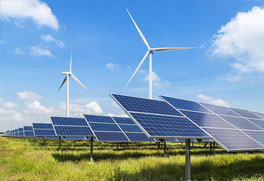
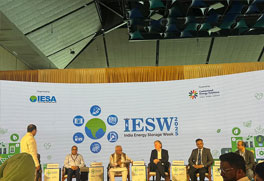
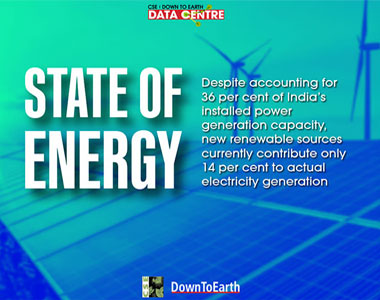
In renewable energy news, India has reached a key milestone in its energy transition pathway, achieving over 50 per cent installed electricity generation capacity from non-fossil fuel sources. As of June 30, the country’s total installed capacity reached 484.82 gigawatts (GW), with 242.8 GW coming from non-fossil sources. Renewables account for 38.08 per cent (184.62 GW), large hydropower accounts for 10.19 per cent (49.38 GW), and nuclear sources at 1.81 per cent (8.78 GW). India has achieved this five years ahead of its 2030 target set under the country’s nationally determined contributions (NDCs).
Lastly, the United Nations has released the Sustainable Development Goals Report 2025. The report highlights how global progress on 35 per cent of the key Sustainable Development Goals (SDGs) has stagnated or reversed, particularly for goals like Zero Hunger, Quality Education, Clean Water, Decent Work and Reduced Inequalities. The report also outlines a roadmap for accelerating progress on key priority areas through multilateral action and emphasises the need for robust data systems to ensure timely, accurate data-driven decision-making.
|
|
|
| |
|
|
| |
 |
|
| |
By - Upamanyu Das
Climate Change, CSE
|
| |
|
|
|
|
| |
|
|
| |
| EXTREME WEATHER TRACKER |
| |
Once-in-a-billion event: Intense marine heatwave in Mediterranean shocks with 8°C warming, 11 July 2025
|
|
 |
|
|
| |
|
|
| |
|
|
| |
|
|
| |
|
|
| |
|
|
| |
CLIMATE NEWS | SCIENCE| IMPACTS| POLITICS |
|
| |
|
|
| |
|
|
| |
|
|
| |
|
|
| |
|
|
| |
|
|
| |
|
|
| |
|
|
| |
|
|
| |
|
|
| |
|
|
| |
|
|
| |
|
|
| |
|
|
| |
|
|
| |
|
|
| |
|
|
| |
|
|
| |
|
|
| |
|
|
| |
|
|
| |
|
|
| |
|
|
| |
|
|
| |
|
|
| |
|
|
| |
|
|
| |
|
|
| |
|
|
| |
| Data Centre |
|
Online Training Course |
| |
|
|
|
|
|
|
|
|
| |
|
|