Down to Earth
Sign up for weekly digest
Down to Earth Facebook Down to Earth Twitter Down to Earth Twitter
 
August 1 - August 7, 2025
 
     
A weekly digest on impacts, politics and science of the climate emergency; from the Global South perspective. Access our extensive coverage on climate. You can find this digest in the web here.
Dear readers,

Welcome to the Climate Weekly digest by the Centre for Science and Environment’s Climate Change programme and Down to Earth.

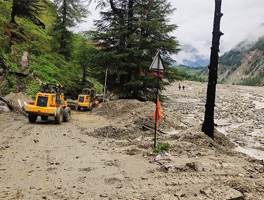
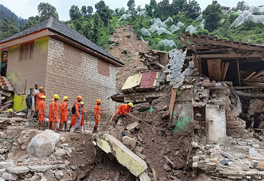
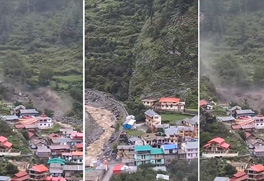
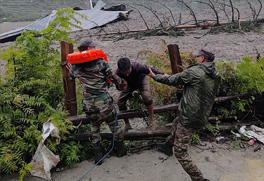
On August 5, flash floods triggered by torrential rain tore through Dharali town in the state of Uttarakhand, killing at least four people with dozens feared missing. This comes days after over 180 people died in Himachal Pradesh due to landslides and floods. The floods in Dharali engulfed homes and hotels, sweeping away people and infrastructure. The India Meteorological Department (IMD) has issued further warnings of downpours in Uttarakhand.

CSE and Down to Earth’s “India’s Atlas on Weather Disasters” shows the scale of weather-linked devastation across the Himalayan region. The region experienced extreme weather events such as severe rain, floods and landslides on 822 days since 2022—or nearly seven out of every ten days over the past three years. These weather extremes killed 2,863 people across 13 states and Union Territories. Experts have warned that unplanned construction coupled with melting glaciers and erratic rainfall are increasing such disasters in the Himalayas.

On the other hand, while many parts of the country are facing above-normal rainfall due to an early monsoon, data provided by India’s Drought Early Warning System (DEWS) has shown that 19 per cent of India is under drought or drought-like conditions. The degree of drought differs from region to region, with dry conditions ranging from ‘abnormal’, ‘moderate’, ‘severe’, ‘extreme’ and ‘exceptional’. The DEWS indicates that parts of Ladakh, Arunachal Pradesh, Himachal Pradesh, Uttar Pradesh, Bihar, Punjab, Manipur, Mizoram and Assam are experiencing extreme and exceptional drought. Further, the aridity anomaly outlook index by IMD has shown that 29 per cent of districts in India are facing arid conditions—an indication of water stress and agricultural drought.

Lastly, a new study published in Nature has revealed that European forests are declining in their capacity to act as carbon sinks. The study observed that increased harvest rates, higher natural disturbances, reduced afforestation and slower growth owing to climate change are affecting the forests’ capacity to capture carbon. Forests are Europe’s primary carbon sinks, covering 40 per cent of the landmass and absorbing 10 per cent of Europe’s anthropogenic emissions between 1990 and 2022. However, the ability of forests to sequester carbon sank by 27 per cent between 2010-2014 and 2020-2022. The authors warned that rapid reductions in the carbon sequestration provided by forests will threaten Europe’s climate targets.
   
 
Down To Earth
 
By - Upamanyu Das
Climate Change, CSE


EXTREME WEATHER TRACKER
 
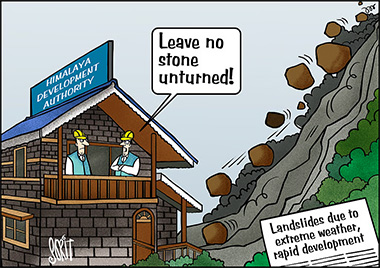
The Himalayas are becoming monsoon graveyards, 07 August 2025
Down To Earth


Down To Earth Monsoon rains declining in Barak-Meghna basin as climate change alters flood cycles, 01 August 2025


COMMENTARIES
With men driving India’s renewable energy push, what role do women play?, 05 August 2025
Efforts to increase female participation face challenges such as geographical barriers and perceptions about physical work


Why the US is letting China win on energy innovation, 04 August 2025
While China invests heavily in wind, solar, and next-generation batteries, the Trump administration has rolled back green policies, increasing household energy costs and exacerbating climate change issues
 
   
  CLIMATE NEWS | SCIENCE| IMPACTS| POLITICS  
   
 
Down To Earth
India’s ‘power states’ paying heavy environmental price for renewable energy, Supreme Court warns, 07 August 2025
Court says Himachal Pradesh’s fragile ecology is collapsing under the weight of unplanned hydropower expansion, tourism and infrastructure


Down To Earth
Landlocked nations launch climate bloc to influence global policy, 07 August 2025
Most such nations face layered barriers in adapting to climate threats, from limited trade access to constrained fiscal space and weak governance structures, according to a UN report


Down To Earth
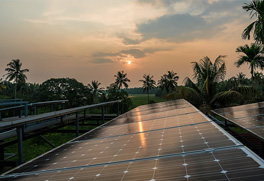
Kerala’s solar surge puts pressure on power bills, KSEB seeks urgent policy fix, 07 August 2025
The southern state’s solar journey is a story of early innovation, citizen participation, and bold policy. But the next phase demands a more calibrated approach


Down To Earth
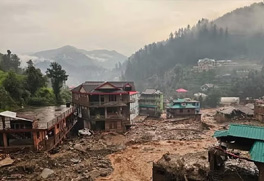
On June 30, the Seraj region of Himachal went through a tragedy like Dharali in Uttarakhand, 07 August 2025
According to an assessment, floods and landslides affected a population of about 50,000 in the entire Seraj valley


Down To Earth
Around 19% of India under drought, drought-like conditions despite above-normal rainfall in early monsoon: DEWS data, 07 August 2025
Extreme drought grips Ladakh, Himachal Pradesh, Bihar, Uttar Pradesh, Punjab, Arunachal Pradesh, Manipur, Mizoram and Assam


Down To Earth
Climate-fuelled El Nino events are devastating butterflies, beetles and other tropical insects, 07 August 2025
There is an urgent need for global efforts to understand and mitigate the effects of climate change on these vital species and their ecosystems


Down To Earth
Climate change drives sharpest Great Barrier Reef coral loss in nearly 40 years, 06 August 2025
An Australian Institute of Marine Science survey revealed that the 2024 mass bleaching event had the largest impact ever recorded, with some areas losing over 70% of hard coral cover


Down To Earth
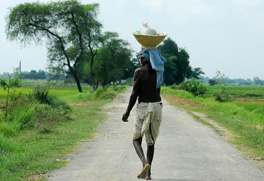
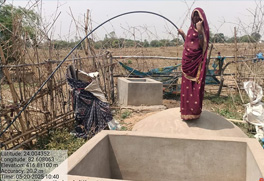
Biogas plants transform lives of women in Madhya Pradesh village, 06 August 2025
Pipra village in Singrauli district shows how clean energy empowers women


Down To Earth
New proposal by Trump Administration could take teeth away from federal regulation of GHG emissions, 06 August 2025
The Endangerment Finding, issued in 2009 during the Obama administration, concluded that six pollutants, including carbon dioxide, posed a danger to public health and welfare


Down To Earth
Crumbling Himalayas: Uttarakhand flash floods highlight escalating weather disasters, 06 August 2025
Seven in ten days of rain, floods and landslides push Himalayan states to the brink


Down To Earth
Carbon sink declining in European forests: Study, 06 August 2025
To keep on the path to achieve climate neutrality, the EU is at a 2% deficit to offset carbon emissions


Down To Earth
Uttarakhand: Dharali town devastated by flash floods in Kheer Ganga river, 05 August 2025
Why there was so much debris in the river, is not yet clear; the meteorological department has ruled out a cloudburst though incessant rain has been on in the region for two days


Down To Earth
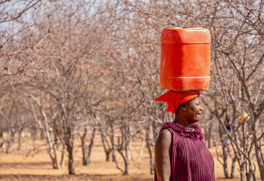
Africa’s climate adaptation: Namibia fights drought and desertification with innovation and renewable energy, 04 August 2025
One of the driest countries in sub-Saharan Africa is banking on climate-smart farming, land restoration and clean energy to survive a warming world


Down To Earth
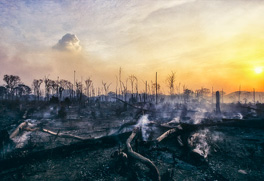
Scorched Amazon forests remain overheated for decades, study finds, 04 August 2025
Burned forests undergo lasting changes to their energy balance and struggle to recover; Remain up to 2.6°C hotter than intact forests


Cartoon   Data Centre
     
Down To Earth
 
Down To Earth


Video   Online Training Course
     
Down To Earth
 
Down To Earth
 
     
This weekly digest is published by Down to Earth and the Centre for Science and Environment, a Delhi-based global think tank advocating on global south developmment issues.
We would love your feedback on this weekly digest. To speak to our experts for quotes and comments on the above stories. Please email to vikas@cseindia.org
 
Follow us on
spacer facebook spacer Down to Earth video spacer twitter spacer
  If you like our work and would like others to join our climate network and the climate conversation, please forward this to your friends. Interested in Climate weekly? Sign Up here