|
Dear readers,
Welcome to the Climate Weekly digest by the Centre for Science and Environment’s Climate Change programme and Down to Earth.
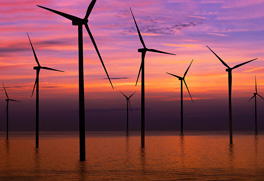
China is reshaping the world’s energy future by its rapid growth in clean technology manufacturing and the push for economy-wide electrification. According to a new report by the global energy think tank Ember, China’s renewables push is likely to trigger a global decline in fossil fuel demand. Down to Earth’s Puja Das writes that in 2024, China spent $625 billion on clean energy—31 per cent of the world’s total. The country’s wind and solar capacity doubled in three years, reaching 1408 GW, and by early 2025, renewables overtook coal in installed capacity.
Moreover, electrification is spreading across the economy. In 2023, electricity supplied 32 per cent of the final energy demand, compared to 24 per cent in the United States and European Union. Electric vehicles, heat pumps and industrial electrification are displacing fossil fuels in transport, heating and manufacturing. The report notes that China’s clean technology ambition is underpinned by strategic goals. The country faces limited fossil fuel reserves and high import dependance. Hence, renewables are essential to its energy security and economic competitiveness—generating roughly a tenth of China’s GDP in 2024.
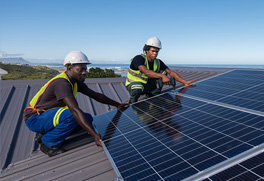
In India, the government is aiming to establish a fully indigenous solar manufacturing ecosystem by 2028. The plan extends beyond the current manufacturing push for solar cells and modules and includes wafers and ingots as well—indicating the focus on upstream value chain integration. The move will slash import dependance, create jobs, attract investment and position India as a clean energy powerhouse. So far, India’s Rs.24,000 crore Production-Linked Incentive (PLI) scheme for solar manufacturing has helped India build 100 GW of solar module capacity, attracted Rs. 50,000 crore in investments and created over 12,600 direct jobs.
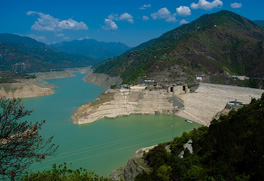
Lastly, in her new article, CSE’s Director General Sunita Narain sheds light on the widespread devastation in the northern Indian subcontinent caused by extreme rainfall during the 2025 monsoon. Between June and August, Punjab, Himachal Pradesh and Jammu and Kashmir have seen almost 50 per cent excess rainfall. Narain points towards a combination of factors: disrupted rainfall patterns due to climate change, increased western disturbances which are combining with the Indian monsoon and causing unprecedented deluges, and the way we pursue development in vulnerable mountain regions. The time for arrogance, denial and mindlessness, she says, is over.
|
|
|
| |
|
|
| |
 |
|
| |
By - Upamanyu Das
Climate Change, CSE
|
| |
|
|
|
|
| |
|
|
| |
| EXTREME WEATHER TRACKER |
| |
Did southwest monsoon moisture cross the Himalayas and reach the Tibetan Plateau in 2025?, 09 September 2025
|
|
 |
|
|
| |
|
|
| |
 |
|
Lightning-induced wildfires to increase with climate change, 09 September 2025
|
|
|
| |
|
|
| |
|
|
| |
|
|
| |
|
|
| |
|
|
| |
CLIMATE NEWS | SCIENCE| IMPACTS| POLITICS |
|
| |
|
|
| |
|
|
| |
|
|
| |
|
|
| |
|
|
| |
|
|
| |
|
|
| |
|
|
| |
|
|
| |
|
|
| |
|
|
| |
|
|
| |
|
|
| |
|
|
| |
|
|
| |
|
|
| |
|
|
| |
|
|
| |
|
|
| |
|
|
| |
|
|
| |
|
|
| |
|
|
| |
|
|
| |
|
|
| |
|
|
| |
|
|
| |
| Carbon Politics Podcast |
|
Data Centre |
| |
|
|
|
|
|
|
|
|
| |
|
|
| |
| Book Release |
|
Cartoon |
| |
|
|
|
|
|
|
| |
|
|
| Gobar Times |
| |
|
|

|
|
|
| |
|
|