|
Dear readers,
Welcome to the Climate Weekly digest by the Centre for Science and Environment’s Climate Change programme and Down to Earth.
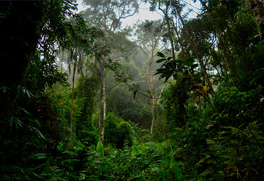
Brazil, the host country for the 30th Conference of Parties (COP30), has proposed a global financial mechanism called the Tropical Forest Forever Facility (TFFF) to make forest protection in the developing world more lucrative. CSE Climate’s Rudrath Avinashi writes that the aim is to establish a blended finance model with a mobilisation target of $125 billion—combining 20 per cent of public money from high income countries and 80 per cent of market-based finance. The fund will invest the money into a diversified portfolio in Overseas Development Assistance (ODA) eligible countries, aiming to generate a return that is higher than the cost of raising the capital.
The return on investment would then be used to pay back investors and pay topical forest countries (TFCs) a fixed amount of money per hectare of standing forest. Further, 20 per cent of more of the payment to TFCs would be allocated to indigenous peoples and local communities. Avinashi points out that the fund’s market-driven approach of investing in developing economies means that the flow of finance would essentially come from the developing world—including the TFCs that are supposed to benefit from the fund. It remains to be seen how the TFFF can help developing countries in sustaining conservation efforts within a volatile global trade regime.
In climate finance news, the three-year long Sharm el-Sheikh Dialogue on Article 2.1(c) of the Paris Agreement—which talks about aligning global finance flows with climate goals—recently concluded in Rome, Italy. In our article, CSE Climate’s Sehr Raheja and I highlight the core issues that emerged in the dialogue, particularly the divide over whether the implementation of Article 2.1(c) should be driven by top-down global regulations or nationally determined pathways that prioritise equity.
The dialogue highlighted a 40 per cent increase in sustainable finance regulations since 2022, with 38 per cent of these emerging in developing economies. However, Global South voices highlighted systemic barriers such as unfairly high borrowing costs, debt distress, unilateral trade measures, and cuts to development aid. Further contentions included the lack of a common interpretation of Article 2.1(c)’s scope alongside the question of continuing the conversation on greening global finance flows under the UNFCCC beyond this dialogue.
|
|
|
| |
|
|
| |
 |
|
| |
By - Upamanyu Das
Climate Change, CSE
|
| |
|
|
|
|
| |
|
|
| |
| EXTREME WEATHER TRACKER |
| |
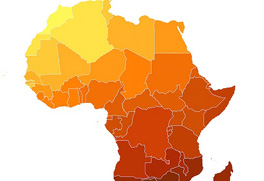
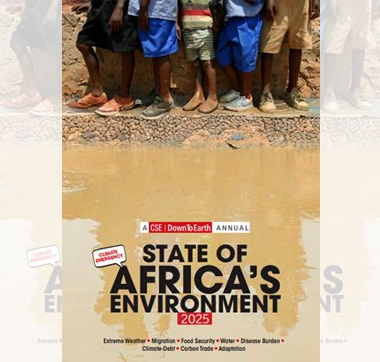
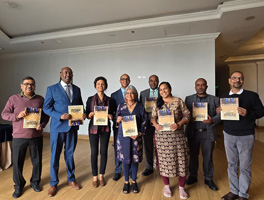
Africa warming more rapidly than the global average, says CSE’s annual report released in Addis Ababa, 18 September 2025
|
|
 |
|
|
| |
|
|
| |
 |
|
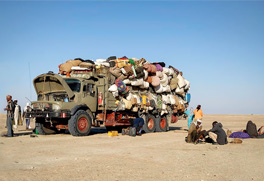
Melted like wax, 16 September 2025
|
|
|
| |
|
|
| |
|
|
| |
|
|
| |
|
|
| |
|
|
| |
|
|
| |
|
|
| |
|
|
| |
|
|
| |
CLIMATE NEWS | SCIENCE| IMPACTS| POLITICS |
|
| |
|
|
| |
|
|
| |
|
|
| |
|
|
| |
|
|
| |
|
|
| |
|
|
| |
|
|
| |
|
|
| |
|
|
| |
|
|
| |
|
|
| |
|
|
| |
|
|
| |
|
|
| |
|
|
| |
|
|
| |
|
|
| |
|
|
| |
|
|
| |
|
|
| |
|
|
| |
|
|
| |
|
|
| |
|
|
| |
Carbon Politics:
A Video Podcast by CSE |
|
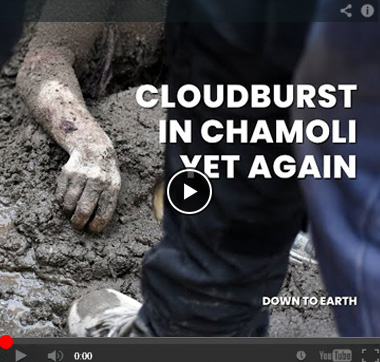
Video |
| |
|
|
|
|
|
|
|
|
| |
|
|
| |
| Report |
|
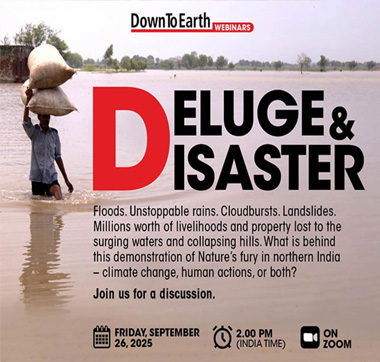
Webinar |
| |
|
|
|
|
|
|
| |
|
|
| Gobar Times |
| |
|
|

|
|
|
| |
|
|