|
Dear readers,
Welcome to the Climate Weekly Digest by the Centre for Science and Environment’s Climate Change programme and Down to Earth.
According to the latest Adaptation Gap Report 2025, released by the United Nations Environment Programme (UNEP), developing countries will need between $310 to $365 billion annually by 2035 to adapt to climate impacts. Down to Earth’s Akshit Sangomla writes that international public adaptation finance fell from $28 billion in 2022 to $26 billion in 2023. This means that the adaptation finance needs are 12-14 times higher than the current finance flows to developing countries. The report warns that the Glasgow Climate Pact goal of doubling adaptation finance from 2019 levels to $40 billion by 2025 may not be achieved—given current trends.
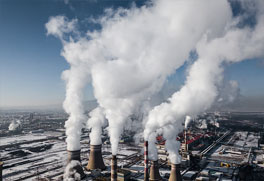
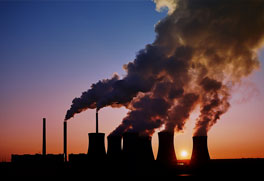
In fossil fuel news, a new report by Oil Change International (OCI) has revealed how the Global North is fuelling the climate crisis, with US, Canada, Australia and Norway driving a 40 per cent rise in oil and gas output since the Paris agreement. Down to Earth’s Puja Das highlights that the US alone accounted for over 90 per cent of the net global increase in oil and gas extraction over the past decade. Developing countries, on the other hand, have reduced or stabilised fossil fuel output. The report recommends that the biggest historical polluters need to rapidly curb production and provide finance for an equitable transition.
With COP 30 fast approaching, CSE Climate will be hosting a pre-COP media briefing on November 6. This year’s climate summit will focus on several important themes including climate finance, just transition, the Global Goal on Adaptation and the ambition gap in countries’ NDCs. The briefing will explore the expected outcomes and key issues to watch out for at the upcoming summit.
On November 7, CSE Climate will release a three-part discussion paper titled “Towards a New, Green World”. The paper series brings together the questions of decarbonisation and economic resilience by focusing on three issues: agriculture and forest commodities, critical minerals, and clean technology manufacturing—exploring how developing economies can stay afloat in a new, green economy.
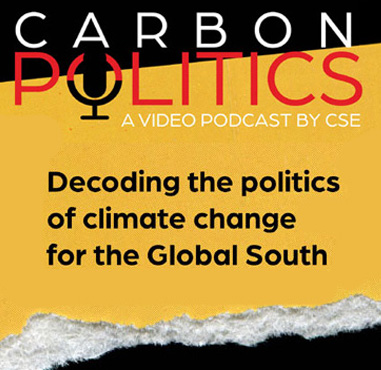
Lastly, the latest episode of our podcast ‘Carbon Politics’ was released on October 28. Titled “Belem in Focus: What do we expect from COP 30?”, the episode features CSE Climate’s Avantika Goswami, Trishant Dev and Sehr Raheja who unpack what is at stake at the upcoming conference in Belem, Brazil—and whether COP 30 can drive the Global South agenda for economic resilience and climate justice.
|
|
|
| |
|
|
| |
 |
|
| |
By - Upamanyu Das
Climate Change, CSE
|
| |
|
|
|
|
| |
|
|
| |
| EXTREME WEATHER TRACKER |
| |
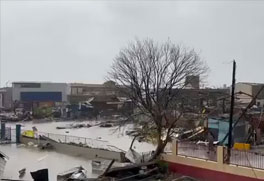
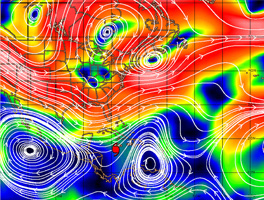
Hurricane Melissa turned sharply to devastate Jamaica − how forecasters knew where it was headed, 30 October 2025
|
|
 |
|
|
| |
|
|
| |
 |
|
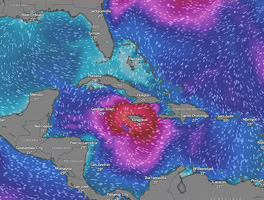
‘One of the strongest hurricanes in history’: Melissa hits Jamaica with almost 300 km/hr wind speeds, 28 October 2025
|
|
|
| |
|
|
| |
|
|
| |
|
|
| |
|
|
| |
|
|
| |
CLIMATE NEWS | SCIENCE| IMPACTS| POLITICS |
|
| |
|
|
| |
|
|
| |
|
|
| |
|
|
| |
|
|
| |
|
|
| |
|
|
| |
|
|
| |
|
|
| |
|
|
| |
|
|
| |
|
|
| |
|
|
| |
|
|
| |
|
|
| |
|
|
| |
|
|
| |
|
|
| |
|
|
| |
|
|
| |
|
|
| |
|
|
| |
|
|
| |
|
|
| |
|
|
| |
|
|
| |
|
|
| |
|
|
| |
|
|
| |
|
|
| |
|
|
| |
|
|
| |
|
|
| |
|
|
| |
|
|
| |
| Event |
|
Carbon Politics: A Video Podcast by CSE |
| |
|
|
|
|
|
|
|
|
| |
|
|
| |
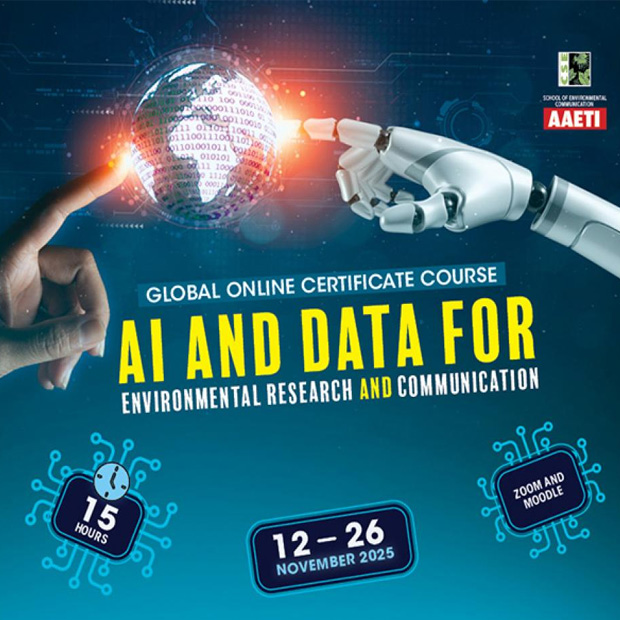
| Online Training Course |
|
Video |
| |
|
|
|
|
|
|
|
|
| |
|
|