|
Dear readers,
Welcome to the Climate Weekly Digest by the Centre for Science and Environment’s Climate Change programme and Down to Earth.
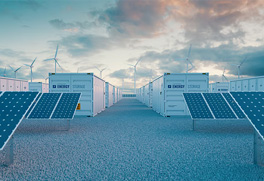
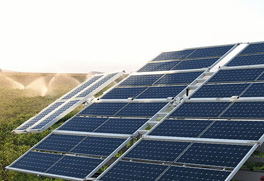
A new draft issued by India’s Central Electricity Regulatory Commission (CERC) contains a detailed framework that formally integrates energy storage into India’s power system. Down to Earth’s Puja Das writes that the Integrated Energy Storage Systems (IESS) framework recognises energy storage as a regulated asset within both generating stations and the inter-state transmission system, signalling that energy storage is no longer an experimental add-on but a core component of India’s future grid architecture.
Till now, energy storage had no dedicated treatment in India’s central tariff regulations, causing uncertainties for project developers and conflicting with India’s rapidly rising renewable energy generation. The new IESS framework removes this long-standing uncertainty by defining technical norms, tariff mechanisms and operational rules—allowing for energy storage to be treated like any other regulated infrastructure. The framework is expected to enable utility-scale investment in energy storage, strengthen the transmission system and improve grid flexibility.
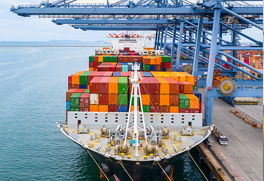
In the latest Trade and Development Report 2025, the UN Conference on Trade and Development (UNCTAD) warns that the financial backbone behind global trade is increasingly fragile due to climate shocks, currency volatility and tightening liquidity. Das reports that while global trade is holding steady despite tariffs, geopolitical tensions and supply-chain realignments, this resilience masks a deeper vulnerability. Global trade increasingly relies not on logistics but on trade finance, with over 90 per cent of global trade depending on credit, supply-chain financing, guarantees, digital clearing platforms and derivatives that allow exporters and importers to transact across borders.
This financial backbone is becoming more volatile due to funding shortages, currency depreciation and higher capital costs, which are reducing trade support for Africa, South Asia and Latin America. Moreover, climate impacts are now getting priced into financial markets, causing developing countries to face reduced creditworthiness and limited access to trade finance. To stabilise the system, UNCTAD calls for financial reforms including public trade-finance guarantees, de-risking currency volatility, strengthening regional capital markets and regional trade-finance platforms beyond dollar-based systems.
Lastly, as COP30 ended on November 22, 2025, CSE’s Climate Change programme and Down to Earth conducted a post-COP30 debrief webinar on November 26 unpacking the proceedings in Brazil. The briefing decodes the final outcomes across major negotiation tracks that shaped this year’s climate summit.
|
|
|
| |
|
|
| |
 |
|
| |
By - Upamanyu Das
Climate Change, CSE
|
| |
|
|
|
|
| |
|
|
| |
|
|
| |
|
|
| |
 |
|
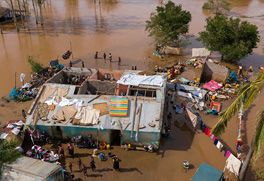
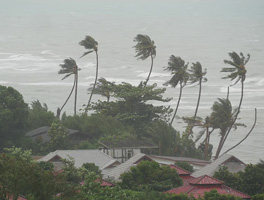
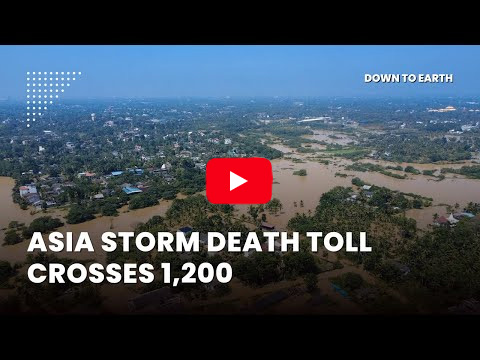
Death and devastation: Why a rare equatorial cyclone and other storms have hit southern Asia so hard, 01 December 2025
|
|
|
| |
|
|
| |
|
COMMENTARIES |
|
|
COP of talk, 01 December 2025
|
|
|
The UN’s 30th climate summit, COP30 in Belém, was billed as the COP of truth and implementation. It was an opportunity for the world to move beyond diagnosis to delivery. Instead it revealed a system struggling to prove its relevance
|
|
|
| |
|
|
| |
CLIMATE NEWS | SCIENCE| IMPACTS| POLITICS |
|
| |
|
|
| |
|
|
| |
|
|
| |
|
|
| |
|
|
| |
|
|
| |
|
|
| |
|
|
| |
|
|
| |
|
|
| |
|
|
| |
|
|
| |
|
|
| |
|
|
| |
|
|
| |
|
|
| |
|
|
| |
|
|
| |
|
|
| |
|
|
| |
|
|
| |
|
|
| |
|
|
| |
|
|
| |
|
|
| |
|
|
| |
| |
|
Carbon Politics: A Video Podcast by CSE |
|
|
|
 |
 |
|
 |
|
|
| |
|
|
| |
| Online Training Course |
|
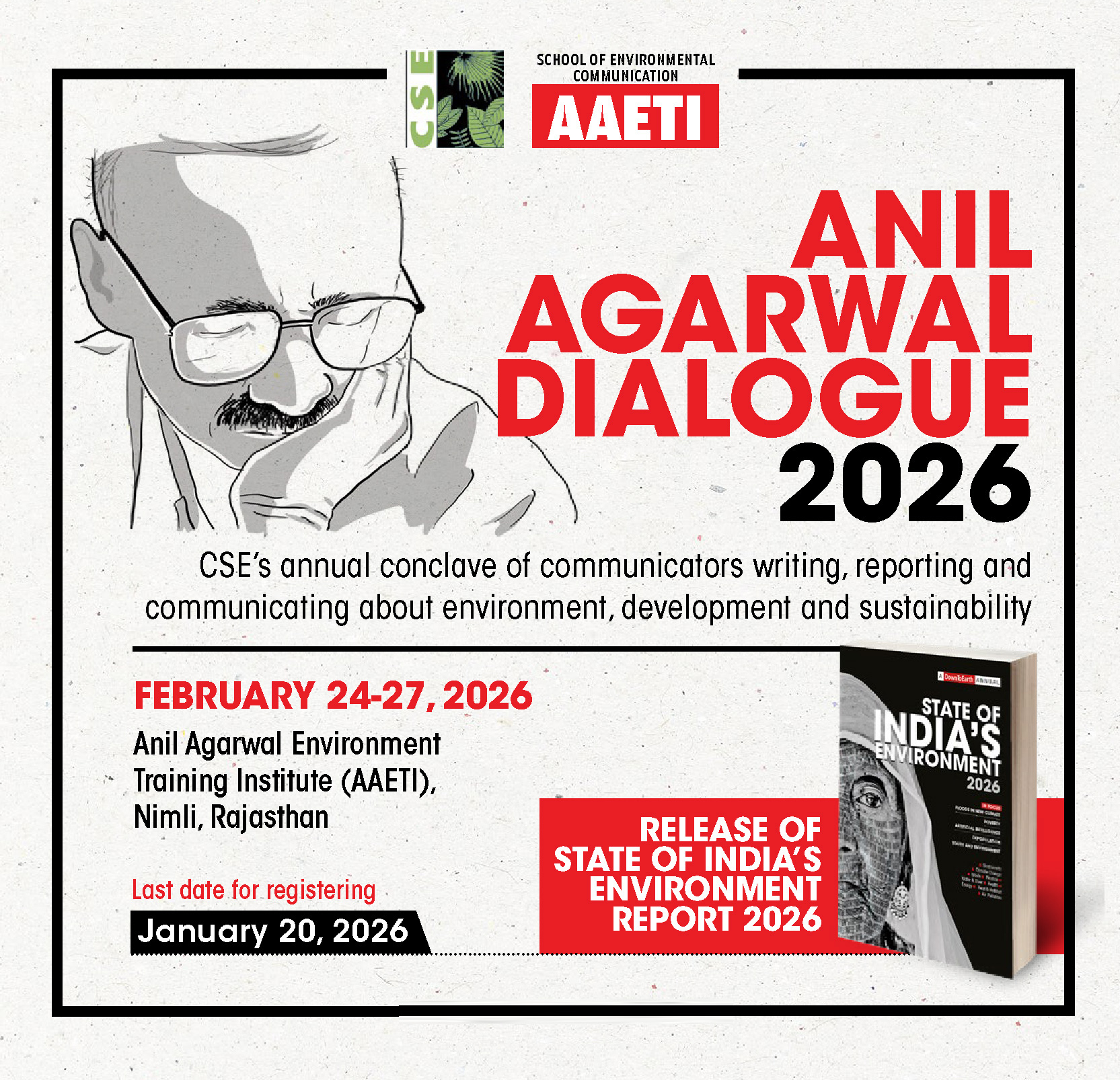
Anil Agarwal Dialogue |
| |
|
|
|
|
|
|
|
|
| |
|
|