|
Dear readers,
Welcome to the Climate Weekly Digest by the Centre for Science and Environment’s Climate Change programme and Down to Earth.
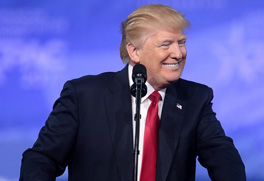
In an unprecedented move, US President Donald Trump has ordered a US withdrawal from 66 international organisations and treaties, including the United Nations Framework Convention on Climate Change (UNFCCC) and the Intergovernmental Panel on Climate Change (IPCC). Down to Earth’s Puja Das explains that the move makes the US the first country to exit the UNFCCC—which underpins international climate governance. The US also pulled out of the Paris Agreement earlier in 2025. Alongside the climate bodies, the US has also withdrawn from organisations such as the International Solar Alliance, the International Union for Conservation of Nature (IUCN) and the Intergovernmental Science-Policy Platform on Biodiversity and Ecosystem Services (IPBES), among others. In practice, the UNFCCC exit will remove the country’s mandate for emissions reduction targets, emissions reporting, transparency rules, climate finance and carbon markets.
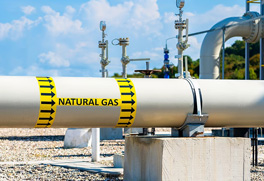
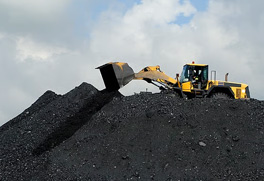
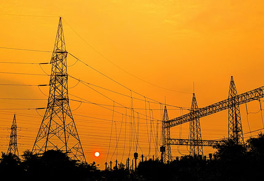
In energy news, India’s coal-fired power generation fell by nearly 3 per cent in 2025, according to the latest research by the Centre for Research on Energy and Clean Air (CREA). Das, reporting on “India Power Sector Review 2025”, highlights that while fossil-based generation rose by an average of 63 terawatt-hours (TWh) annually between 2019 and 2024, it fell by about 50 TWh in 2025. Further, this was only the second time that coal-fired power generation declined in a full calendar year, with the previous fall occurring in 2020. However, unlike 2020, the 2025 decline was not due to economic shock, but structural changes in India’s power system. According to CREA, the drop in fossil-based generation reflects record growth in clean electricity which increased by 71 TWh in 2025 (compared to an average increase of 22 TWh between 2019-2024), milder weather that reduced demand, and a longer-term slowdown in underlying power demand growth.
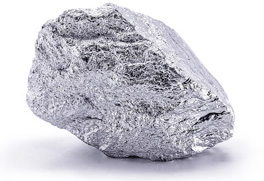
Lastly, on January 1, 2026, the European Union’s Carbon Border Adjustment Mechanism, or CBAM, came into force, adding a carbon levy on imports of emissions-intensive goods. Down to Earth’s Shagun Kapil writes that Indian exports of steel, aluminium, cement and fertilisers are expected to face higher costs to access EU markets, potentially adding an average tax burden of around 25 per cent on affected exports. In this video explainer, CSE Climate’s Avantika Goswami breaks down what the CBAM entails, how it will affect developing economies and how the Global South can respond to such policies.
|
|
|
| |
|
|
| |
 |
|
| |
By - Upamanyu Das
Climate Change, CSE
|
| |
|
|
|
|
| |
|
|
| |
|
|
| |
|
|
| |
El Nino developing rapidly, likely by summer 2026; could be strong: Experts, 07 January 2026
|
|
 |
|
|
| |
|
|
| |
 |
|
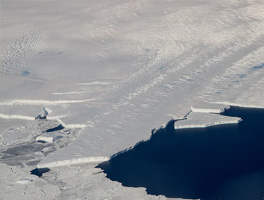
Doomsday glacier destabilisation shows future of Antarctic ice sheets, 06 January 2026
|
|
|
| |
|
|
| |
|
|
| |
|
|
| |
|
|
| |
|
|
| |
CLIMATE NEWS | SCIENCE| IMPACTS| POLITICS |
|
| |
|
|
| |
|
|
| |
|
|
| |
|
|
| |
|
|
| |
|
|
| |
|
|
| |
|
|
| |
|
|
| |
|
|
| |
|
|
| |
|
|
| |
|
|
| |
|
|
| |
|
|
| |
|
|
| |
|
|
| |
|
|
| |
|
|
| |
|
|
| |
| |
|
Carbon Politics: A Video Podcast by CSE |
|
|
|
 |
|
|
|
|
|
| |
|
|
| |
|
|
| |
|
|
|