|
Dear readers,
Welcome to the Climate Weekly Digest by the Centre for Science and Environment’s Climate Change programme and Down to Earth.
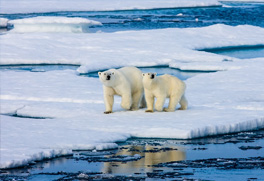
The latest annual temperature data by Copernicus Climate Change Service’s (C3S) has revealed that 2025 was the third warmest year on record. Down to Earth’s Akshit Sangomla writes that according to C3S, the average temperature for the period 2023-2025 was more than 1.5°C above pre-industrial levels (1850-1900). This is the first time that a three-year period has consistently exceeded a critical global warming threshold. This suggests that the Paris Agreement’s goal of limiting global warming to 1.5°C could be breached by 2030.
C3S cites two primary reasons for the unprecedented heat. One, greenhouse gas accumulation in the atmosphere coupled with reduced natural carbon sink capacity, and two, exceptionally high sea-surface temperatures linked to an El Niño event which was amplified by climate change. Furthermore, half of the global land area experienced more days than average with “strong heat stress”—the leading cause of global weather-related deaths. Conversely, some regions were cooler than average, which included most of India and parts of Africa and Australia. Aerosol pollution may have contributed to the cooler conditions in India, but this will require further assessment.
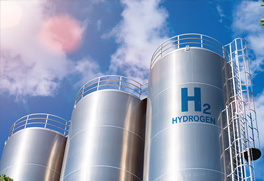
In energy news, a new report by the World Economic Forum (WEF) highlights that global investment in clean fuels will need to quadruple from about $25 billion a year today to over $100 billion annually by 2030—if countries are to meet their climate and energy transition goals. Down to Earth’s Puja Das explains that clean fuels such as biofuels, biogas and hydrogen derivatives are increasingly seen as critical for cutting emissions in hard-to-abate sectors such as heavy industry, shipping and aviation. However, despite rising political ambition, clean fuels currently account for just over one per cent of global clean energy investment. The report argues that clean fuel investment could deliver significant economic benefits by generating two to three times more jobs than conventional fuel sectors, while also improving energy security by diversifying energy supply chains.
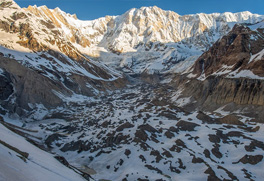
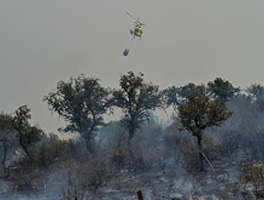
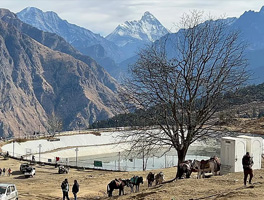
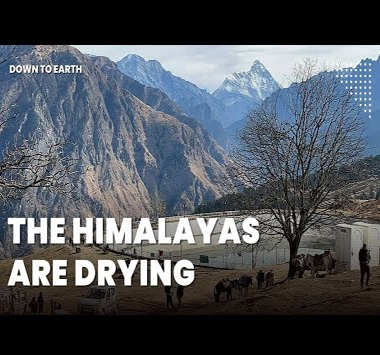
Lastly, the state of Uttarakhand, India, is facing an unprecedented lack of winter rain and snowfall, which has triggered a severe hydrological drought in the Central Himalayas. Down to Earth captures the state’s worst climate crisis, where drying rivers, melting glaciers and rising forest fires are devastating livelihoods and ecosystems—signalling how climate change is no longer a distant future warning.
|
|
|
| |
|
|
| |
 |
|
| |
By - Upamanyu Das
Climate Change, CSE
|
| |
|
|
|
|
| |
|
|
| |
|
|
| |
|
|
| |
2025 third warmest year on record, as 3-year period breaches 1.5°C threshhold, 14 January 2026
|
|
 |
|
|
| |
|
|
| |
 |
|
Uttarakhand faces snow drought and forest fires as lack of rain hits crops, 14 January 2026
|
|
|
| |
|
|
| |
|
|
| |
|
|
| |
|
|
| |
|
|
| |
|
|
| |
|
|
| |
CLIMATE NEWS | SCIENCE| IMPACTS| POLITICS |
|
| |
|
|
| |
|
|
| |
|
|
| |
|
|
| |
|
|
| |
|
|
| |
|
|
| |
|
|
| |
|
|
| |
|
|
| |
|
|
| |
|
|
| |
|
|
| |
|
|
| |
|
|
| |
|
|
| |
|
|
| |
|
|
| |
|
|
| |
|
|
| |
| |
|
Carbon Politics: A Video Podcast by CSE |
|
|
|
 |
|
|
|
|
|
| |
|
|
| |
| Cartoon |
|
Podcast |
| |
|
|
|
|
|
|
| |
|
|
|
| |
|
|
 |
|
|
| |
|
|