| |
A weekly digest on impacts, politics and science of the climate emergency from the Global South perspective. You can find this digest in the web here.
|
|
| |
|
|
 |
Dear readers,
Welcome to the Climate Weekly Digest by the Centre for Science and Environment’s Climate Change and Green Economy programme and Down to Earth.
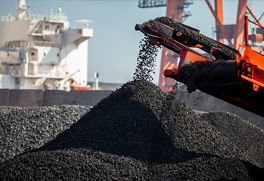
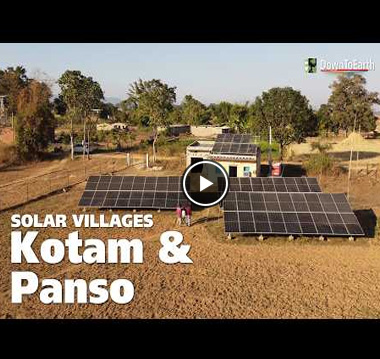
New analysis by the Centre for Research on Energy and Clean Air (CREA) has shown that global fossil power generation fell by 1 per cent year-on-year in March, led by a sharp 4 per cent drop in gas-powered generation and coal-fired generation remaining broadly flat. Down to Earth’s Puja Das, writing about the findings, highlights how the fall in fossil power generation was entirely offset by a surge in renewables. In March, solar power generation rose by 14 per cent while wind power rose by 8 per cent, with a marginal increase in hydropower as well.
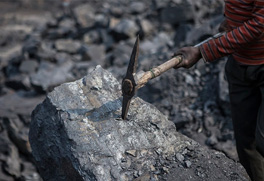
In India, the shift away from fossil fuels was more pronounced, with the country recording one of the largest declines (among the countries analysed) in coal-fired power generation in March. This was driven by rapid expansion of solar energy, reflecting the increasing competitiveness of renewables in meeting electricity demand. The analysis suggests that the latest fossil fuel crisis triggered by supply disruptions in the Strait of Hormuz is accelerating the global shift towards clean energy.
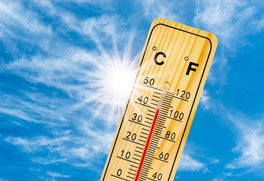
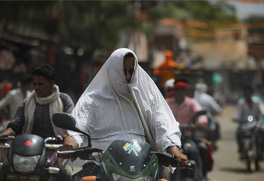
In extreme weather news, a new study by the University of British Columbia, Canada, has revealed that summers in the earth’s subtropical and temperate zones are arriving earlier, staying longer, and becoming more intense than previous decades. Down to Earth’s Himanshu Nitnaware writes that between 1990 and 2023, the average summer in the geographic regions between the tropics and polar circles lengthened by about six days per decade. This increase means that summer conditions in the mid-2020s last about 30 days longer than in the 1960s. These rapid changes may impact the physiological ability of humans to adapt to the increased heat, while further altering drought severity, heatwave frequency, and energy demand for cooling and economic growth.
Lastly, the upcoming episode of the Carbon Politics podcast is set to be released on Tuesday, April 28. In this episode titled “Green Industrialisation for the Global South”, CSE Climate’s Avantika Goswami speaks with Dr. Ilias Alami, Assistant Professor in the Political Economy of Development, University of Cambridge. Together, they discuss the growing relevance of green industrialisation in uniting the aims of decarbonisation, development and structural transformation, and how the Global South can advance this agenda for its own aims.
|
|
|
| |
|
|
| |
 |
|
| |
By - Upamanyu Das
Climate Change and Green Economy, CSE
|
| |
|
|
|
|
| |
|
|
| |
|
|
| |
|
|
| |
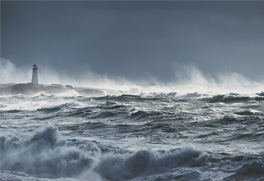
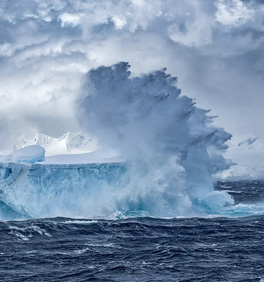
Atlantic current shows steady decline, with scientists warning collapse could amplify global warming and disrupt climate systems, 13 April 2026
|
|
 |
|
|
| |
|
|
| |
 |
|
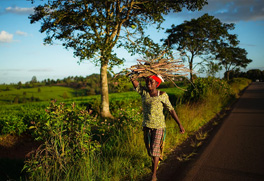
South West Monsoon rainfall to be below normal or deficient in 2026, 13 April 2026
|
|
|
| |
|
|
| |
|
|
| |
|
|
| |
|
|
| |
|
|
| |
|
|
| |
|
|
| |
CLIMATE NEWS | SCIENCE| IMPACTS| POLITICS |
|
| |
|
|
| |
|
|
| |
|
|
| |
|
|
| |
|
|
| |
|
|
| |
|
|
| |
|
|
| |
|
|
| |
|
|
| |
|
|
| |
|
|
| |
|
|
| |
|
|
| |
|
|
| |
|
|
| |
|
|
| |
|
|
| |
| |
|
Carbon Politics: A Video Podcast by CSE |
|
|
|
 |
|
|
|
|
|
| |
|
|
| |
|
|
| |
|
|