April 24 – April 30, 2026
  A weekly digest on impacts, politics and science of the climate emergency from the Global South perspective. You can find this digest in the web here.  
     
Dear readers,

Welcome to the Climate Weekly Digest by the Centre for Science and Environment’s Climate Change and Green Economy programme and Down to Earth.

As the world reckons with the energy shock caused by the US-Israel war against Iran, the first climate ministerial of the year, the 17th Petersberg Climate Dialogue, was held in Germany between April 21-22. In my new article, I write about the key outcomes from the conference, which focused on implementing the Paris Agreement, international climate finance and geopolitical resilience. Among the key concerns were the vulnerabilities of fossil-based energy and how Europe needs to pivot towards sustainable energy sources and increased electrification. German Chancellor Friedrich Merz reaffirmed Germany’s support for multilateralism while underlining that effective climate action must not hinder economic growth.

However, he failed to make any new climate finance commitments for the Global South. Civil society has further highlighted the lack of focus on international cooperation and trade as a means to alleviate energy security concerns. Moreover, while talks around expanding renewables are encouraging, uneven global investment flows into renewables remain a barrier for developing countries.

In fossil fuel phaseout news, 57 countries representing about one-third of global GDP met in Santa Marta, Colombia, between April 24-29 and held discussions on possible roadmaps to accelerate the transition away from fossil fuels (TAFF). Down to Earth’s Puja Das reports that the conference focused on implementation and emphasised the broader economic transformation required for the transition. The key outcomes included an agreement to convene a second conference in 2027, setting up a coordination group to align with existing initiatives, launching three implementation-linked workstreams, and establishing a science-based panel to guide countries with evidence-based transition pathways.

Countries also highlighted persistent structural challenges hindering the transition, including dependance on fossil fuel revenues, debt pressures, and the lack of affordable finance for the Global South. Issues such as fossil fuel subsidies, labour and social challenges, and expanding energy access were also in focus. The key takeaway was that national efforts must be combined with multilateral coordination to progress on such a transition.

Lastly, the latest episode of Carbon Politics was released on Tuesday, April 28. Titled, “Green Industrialisation for the Global South”, the episode features CSE’s Avantika Goswami in conversation with Dr. Ilias Alami from the University of Cambridge. Together, they discuss the growing relevance of green industrialisation as well as the challenges and opportunities for the Global South in advancing this agenda for its own aims.
   
 
Down To Earth
 
By - Upamanyu Das
Climate Change and Green Economy, CSE


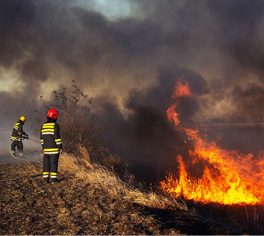
EXTREME WEATHER TRACKER


Europe recorded widespread impacts of warming in 2025, from the Arctic to the Mediterranean: Report, 30 April 2026
Down To Earth


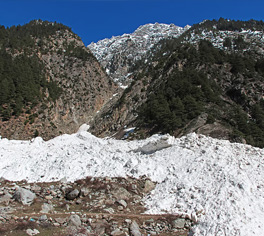
Down To Earth Hindu Kush Himalaya sees record 27% drop in snow persistence, fourth straight year of decline, ICIMOD warns, 24 April 2026


El Nino likely as early as in May-July: WMO, 24 April 2026
Above-normal land surface temperatures likely worldwide in next three months


COMMENTARIES
Decoding India’s record 256 GW power peak: Demand, dispatch and dilemmas, 30 April 2026
Is the system ready for a projected higher peak and are the long-term challenges being considered?


Paradox of energy transition: Who really pays for a greener future, 29 April 2026
Clean energy transition is once again shifting environmental, human costs to the Global South, a UN University investigation finds


17th Petersberg Climate Dialogue attempts to reaffirm multilateral climate action amid geopolitical tensions, 27 April 2026
As a precursor to COP31, the Petersberg Climate Dialogue highlighted both early momentum on climate commitments as well as gaps in implementation
 
   
  CLIMATE NEWS | SCIENCE| IMPACTS| POLITICS  
   
 
Down To Earth
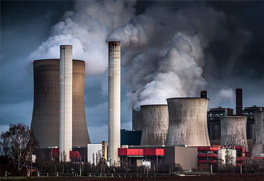
Countries representing one-third of global GDP move to operationalise fossil fuel phase-down, set 2027 review, 30 April 2026
The Santa Marta TAFF conference launched a science panel, three implementation workstreams, and a new coordination architecture, while stressing finance reform, just transition and global cooperation


Down To Earth
France sets 2030 coal exit, 2045 oil end, 2050 gas phase-out in Europe’s first fuel-by-fuel fossil exit plan, 29 April 2026
Real test is now delivering faster implementation, stable regulation, adequate financing, socially just transition


Down To Earth
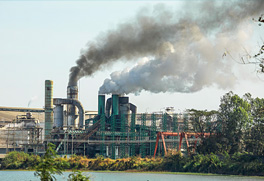
2023 sees 35 mt coal mine methane emissions; 89% went unreported as global emissions stayed flat since 2021: Ember, 29 April 2026
India among seven countries where 94 per cent of global CMM emissions originate


Down To Earth
Fossil fuel companies projected to earn almost $3,000 a second in 2026 while families struggle to afford energy bills worldwide, 28 April 2026
According to Oxfam, fossil fuel firms and the super-rich are entrenching inequality and turning their backs on the people most impacted by the fossil fuel-driven climate crisis


Down To Earth
Delaying coal phase-out could cost South Africa $38 billion in health-related economic losses: Greenpeace report, 28 April 2026
While transitioning to cleaner energy requires upfront investment, the long-term savings from avoided health damage and improved productivity could far outweigh costs, it adds


Down To Earth
19 governments call for fossil fuel phase-out roadmap, global finance push and end to new expansion, 28 April 2026
Governments warn fossil fuel dependence threatens economic stability


Down To Earth
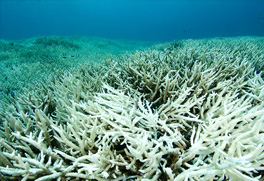
Indian Ocean heats up to dangerous levels, putting fish, reefs and livelihoods at risk, warns watchdog, 27 April 2026
Marine heatwaves spread across key regions as INCOIS warns of coral bleaching, shifting fisheries and falling ocean productivity


Down To Earth
Top international scientists launch panel to guide global energy transition, 27 April 2026
Experts unveil roadmap-style guidance to help countries shift from oil, gas and coal; civil society questions Global North influence and asks for truly inclusive climate governance


Down To Earth
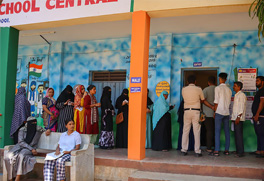
Extreme weather disrupts elections in India and beyond, with 94 polls affected globally, report warns, 24 April 2026
As climate change increases the severity and frequency of extreme weather, the report stresses that elections should be treated as critical infrastructure that can be disrupted by disasters


Down To Earth
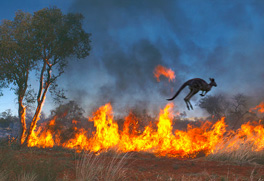
Multiple extreme weather events to impact 36% land animal habitats by 2085: Study, 24 April 2026
Southeast Asia emerges as hotspot for threatened species exposure


Down To Earth
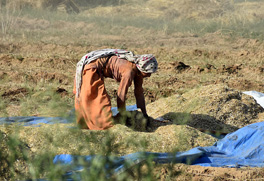
Extreme heat could make farm work unsafe for up to 250 days a year by century’s end, FAO and WMO warn, 24 April 2026
Over a billion livelihoods at risk as heat cuts labour capacity below 40% in key farming regions and drives yield losses


    Carbon Politics: A Video Podcast by CSE
 
    Video
spacer
DTE Hindi   DTE Hindi


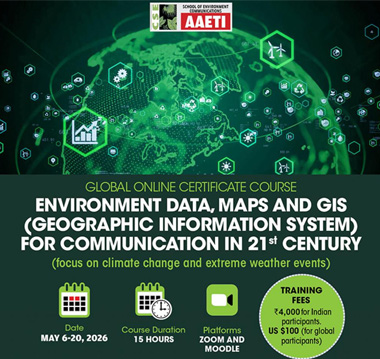
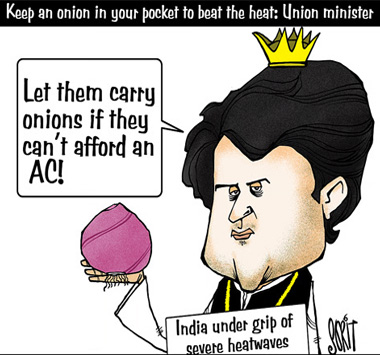
Online Training   Cartoon
     
Down To Earth
 
Down To Earth
 
     
This weekly digest is published by Down to Earth and the Centre for Science and Environment, a Delhi-based global think tank advocating on global south developmment issues.
We would love your feedback on this weekly digest. To speak to our experts for quotes and comments on the above stories. Please email to vikas@cseindia.org
 
Follow us on
spacer facebook spacer Down to Earth video spacer twitter spacer
  If you like our work and would like others to join our climate network and the climate conversation, please forward this to your friends. Interested in Climate weekly? Sign Up here