| |
A weekly digest on impacts, politics and science of the climate emergency from the Global South perspective. You can find this digest in the web here.
|
|
| |
|
|
 |
Dear readers,
Welcome to the Climate Weekly Digest by the Centre for Science and Environment’s Climate Change and Green Economy Programme and Down to Earth.
A new report by the United Nations Environment Programme (UNEP) has confirmed a devastating new climate reality – the 1.5°C temperature target, a key outcome of the 2015 Paris Agreement, is officially likely to be breached by 2030.
The report highlights three key facts – first, that every fraction of a degree of additional warming will worsen climate risks; secondly, that rapid emissions cuts can still limit the extent and duration of the overshoot, and thirdly, that bringing temperatures back below 1.5°C later this century will require large-scale carbon dioxide removal (CDR). The report pushes for a strategy that will “keep exceedance and peak in warming as short-lived and low as possible, while working towards bringing temperatures back down thereafter.”
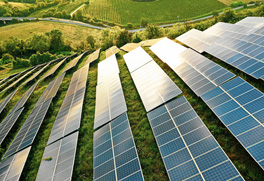
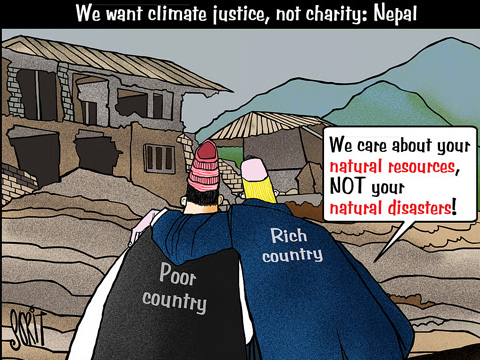
Some experts suggest that the time is now to ‘act faster’ rather than completely give up, and attempt to mitigate the worst-case scenarios of overshoot impact. They emphasize why it’s not time to ditch the Paris 1.5C target just yet, highlighting the global solar power and electric vehicles boom; rise in electrification; plateauing of emissions enough to avoid a 3°C rise above pre-industrial temperature levels as signs that the world is acting, but just not fast enough. CSE’s climate experts point out that the report confirms what poor countries have long argued - rich nations have exhausted the carbon budget, leaving the poorest to bear the costs while continuing fossil fuel dependence, militarism and cuts to climate finance and aid. They further add that CDR activities must not substitute efforts to rapidly scale-up near-term direct emission reductions across sectors.
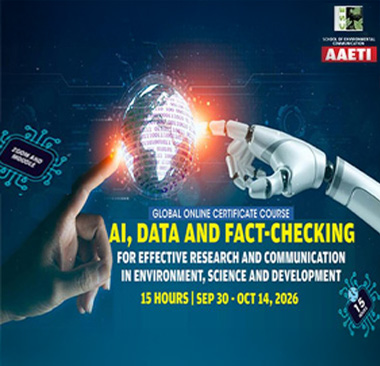
In other news, if you are looking to sharpen your research and communication skills, consider signing up for CSE’s new online certificate course on AI, data and fact-checking, which offers practical tools for evidence-based work in environment and development, including AI-assisted research, data analysis and verification.
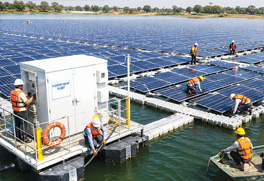
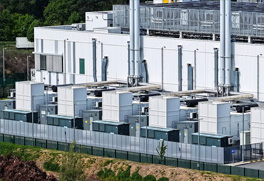
Also, in the latest episode of the Carbon Politics podcast, Avantika Goswami and Trishant Dev from the Climate Change and Green Economy team at CSE ask - Can the Global South build the clean technology it needs? The episode explores the challenges and possibilities of building clean-tech manufacturing capacity in developing countries to aid the global transition for climate.
|
|
|
| |
|
|
| |
 |
|
| |
By - Sehr Raheja
Climate Change and Green Economy, CSE
|
| |
|
|
|
|
| |
|
|
| |
|
|
| |
|
|
| |
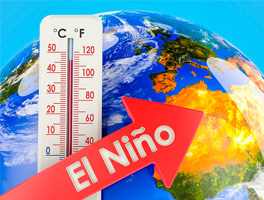
El Nino strengthened rapidly, firmly established, may intensify further: WMO, 03 September 2026
|
|
 |
|
|
| |
|
|
| |
 |
|
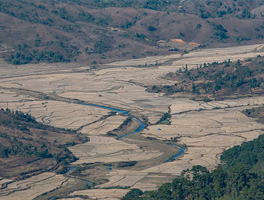
With the monsoon in its final month, nearly half of El Niño-vulnerable districts across 25 states/UTs face deficient rainfall: DTE analysis, 02 September 2026
|
|
|
| |
|
|
| |
|
|
| |
|
|
| |
|
|
| |
|
|
| |
CLIMATE NEWS | SCIENCE| IMPACTS| POLITICS |
|
| |
|
|
| |
|
|
| |
|
|
| |
|
|
| |
|
|
| |
|
|
| |
|
|
| |
|
|
| |
|
|
| |
|
|
| |
|
|
| |
|
|
| |
|
|
| |
|
|
| |
|
|
| |
|
|
| |
|
|
| |
|
|
| |
|
|
| |
|
|
| |
|
|
| |
|
|
| |
|
|
| |
|
|
| |
|
|
| |
|
|
| |
|
|
| |
|
|
| |
|
|
| |
|
|
| |
|
|
| |
|
|
| |
| |
|
Carbon Politics: A Video Podcast by CSE |
|
|
|
 |
 |
|
|
|
|
| |
|
|