September 4 - September 10, 2026
  A weekly digest on impacts, politics and science of the climate emergency from the Global South perspective. You can find this digest in the web here.  
     
Dear readers,

Welcome to the Climate Weekly Digest by the Centre for Science and Environment’s Climate Change and Green Economy Programme and Down to Earth.

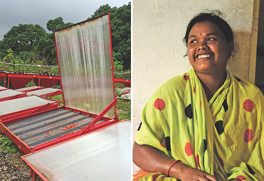
Distributed renewable energy is helping farmers in the eastern Indian state of Odisha fight energy poverty, reports Puja Das for Down to Earth. In Koraput's Bairagiput village, water access for agriculture has relied heavily upon the monsoon, or diesel and electric motors for irrigation. For women from Self Help Groups (SHGs) in Kalahandi, unreliable electricity supply has often caused delayed food processing and delivery. Both groups are now using solar powered sprinklers, motors, fencing, and dryers to close the gaps.

One farmer got a solar-powered motor to replace a diesel motor that used one litre of fuel per hour of irrigation, and irrigation is carried out on alternate days. In the absence of monsoon, irrigation is typically done two to three times a week. His earnings rose from Rs. 40,000 in 2025 to Rs. 70,000 in 2026, for ginger. Another farmer from the region too saw a rise in earnings due to increased production and reduced fuels costs for beans sales. He installed a solar motor in 2023. In Kalahandi's Thuamul Rampur block, a 10-member SHG, supported by SELCO Foundation, began using solar panels, batteries and an inverter to power food processing for Integrated Child Development Services (ICDS) nutrition supplies. This cut electricity bills and ended 40-45 km trips to Bhawanipatna for processed ingredients. But as operations expanded, costs increased, since packing and sealing machines aren't solar-powered. The bigger issue however, is reliability - outages of 2-6 hours are common, stretching to 10-15 days in monsoon, risking delays in the SHG's monthly deliveries of puffed rice, roasted chana and dates to Anganwadi centres across eight gram panchayats.

Meanwhile, Avantika Goswami and Trishant Dev from CSE’s Climate Change and Green Economy Programme discuss a crucial question in the latest episode of the Carbon Politics podcast – ‘Can the Global South Build the Clean Tech it Needs?’ Tune in to the full episode to learn more.

Lastly, you still have time to register for the global online certificate course ‘AI, Data and Fact-Checking for Effective Research and Communication in Environment, Science and Development’ organized by CSE, and due to commence on September 30th. Sign up now!
   
 
Down To Earth
 
By - Sehr Raheja
Climate Change and Green Economy, CSE


EXTREME WEATHER TRACKER


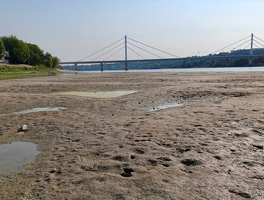
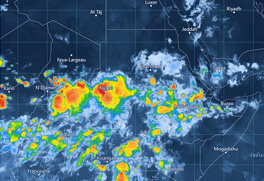
Down To Earth August 2026 joint hottest month on record: Copernicus, 10 September 2026


COMMENTARIES
‘Major loss to Indian climate science’: Scientific community, civil society mourn demise of Krishna AchutaRao, 05 September 2026
IIT Delhi professor’s intellectual courage and integrity made him stand apart, say peers


Why a new study on Everest’s human footprint feels personal to me, 06 September 2026
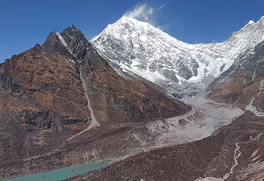
As we warm the planet at a global scale, we are also making some of its most fragile places increasingly comfortable for ourselves. The Khumbu Glacier is not merely being visited. It is being furnished, heated and fuelled. I saw this firsthand
 
   
  CLIMATE NEWS | SCIENCE| IMPACTS| POLITICS  
   
 
Down To Earth
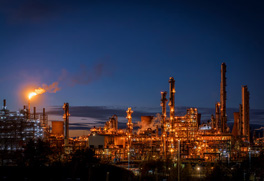
Petrochemical industry emissions could rise 50% by 2050: Study, 10 September 2026
Supply-side measures alone cannot address the indirect emissions that dominate the sector’s footprint, demand reduction crucial


Down To Earth
How solar is helping communities in rural Odisha cope with energy poverty, 10 September 2026
Technology powered by solar energy has made electricity supply more regular, and irrigation and processing more efficient


Down To Earth
Addis Ababa call to action for early warnings to reach every African community, 09 September 2026
It urges governments to close gaps, strengthen financing, ensure warnings reach vulnerable communities in time to act


Down To Earth
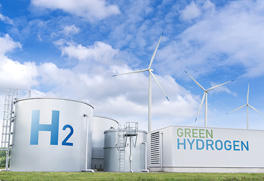
Green hydrogen hubs: Gujarat leads, while water and demand shape site choices, finds study, 09 September 2026
WRI India paper says proximity to renewable energy and hydrogen consumers are the biggest factors in locating future hubs, with water availability also emerging as a key constraint


Down To Earth
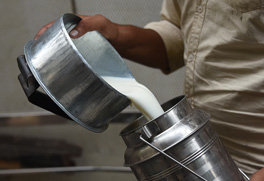
India’s protein demand set to triple by 2070: Emissions could soar, but the transition won’t look like West’s, 09 September 2026
Diary to be biggest driver, followed by pulses


Down To Earth
Lakes alter the global carbon cycle: Research, 09 September 2026
Rather than treating lakes and streams as separate landscape features, researchers argue that they must be considered together as connected networks


Down To Earth
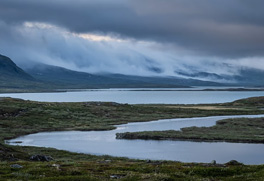
Permafrost melt in the Arctic could cost $261 billion in infrastructure damages: Study, 07 September 2026
Research suggests new approach that provides a more accurate indication of the cost to rebuild structures


Down To Earth
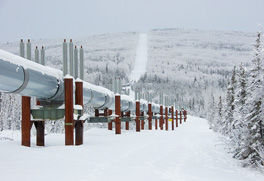
Trump administration opens 15-day review for 30-year renewal of Alaska oil pipeline, 07 September 2026
Alyeska Pipeline Service Company has sought the third renewal of the Trans Alaska Pipeline System’s federal right-of-way more than seven years before it expires, raising questions over the timing of the decision under the Trump administration


Down To Earth
Sea-level rise is a threat to fundamental human rights, says UN report, 07 September 2026
The United Nations warns that without urgent adaptation measures, up to 1.2 billion people could be displaced by 2050


Down To Earth
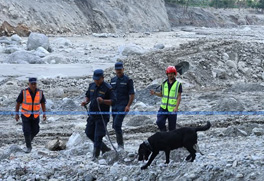
The entire Himalayan region needs a robust, operational early warning system for cryosphere-related hazards, 07 September 2026
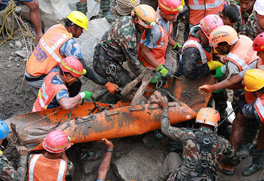
Had one been established in Rasuwa, informed by the region’s history of past events, countless lives might have been saved


Down To Earth
Conflict and climate disasters fuelled 6.2 million displacements across Eastern Africa in 2025: Report, 06 September 2026
Building resilience in the region requires moving beyond reactive response towards more anticipatory, inclusive, and risk-informed systems, notes assessment


Down To Earth
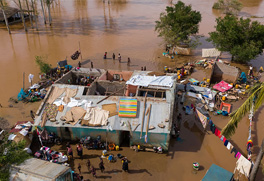
Two years, two floods: A vulnerable Himalayan corridor faces growing risk, 05 September 2026
The lesson from two events in 2025 and 2026 in Nepal and Tibet’s Lhende river is that infrastructure planning and early-warning systems must be for a variety of potential risks that can arise from various cryospheric processes within the same interconnected river system


Down To Earth
Green Climate Fund responds to query on seven-year delay in Nepal glacier project, but gives only approval and implementation dates, 04 September 2026
UN Loss and Damage Fund board members have sought an urgent meeting to consider financial support for Nepal after the August 26 floods


Down To Earth
Weakening natural carbon sinks threaten Net Zero plans: Wood Mackenzie, 04 September 2026
Natural carbon sinks absorbed 40% of anthropogenic CO2 emissions in 2025


    Carbon Politics: A Video Podcast by CSE
 
    Online Training Course
spacer
DTE Hindi   Down To Earth


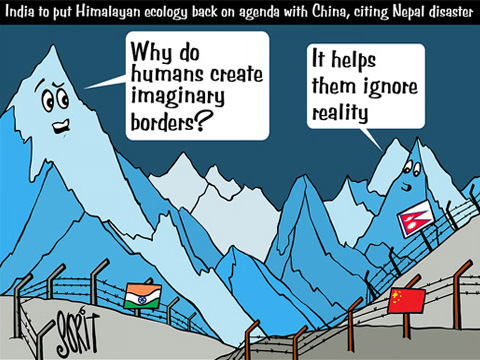
Video   Cartoon
     
Down To Earth
 
Down To Earth
 
     
CSE
This weekly digest is published by Down to Earth and the Centre for Science and Environment, a Delhi-based global think tank advocating on global south developmment issues.
We would love your feedback on this weekly digest. To speak to our experts for quotes and comments on the above stories. Please email to vikas@cseindia.org
 
Follow us on
spacer facebook spacer Down to Earth video spacer twitter spacer
  If you like our work and would like others to join our climate network and the climate conversation, please forward this to your friends. Interested in Climate weekly? Sign Up here