| |
A weekly digest on impacts, politics and science of the climate emergency from the Global South perspective. You can find this digest in the web here.
|
|
| |
|
|
 |
Dear readers,
Welcome to the Climate Weekly Digest by the Centre for Science and Environment’s Climate Change and Green Economy Programme and Down to Earth.
The COP31 presidency has proposed a global “35-by-35” electrification goal, aiming to increase the share of final energy demand met by electricity from around 23 per cent today to 35 per cent by 2035. The International Energy Agency (IEA) released a special report prepared for input into the COP31 process, and its states the target is economically within reach, with electrification already cost-effective for about a third of global energy use. But the transition will be uneven, argue Trishant Dev, Kartikeya Garg and Avantika Goswami from CSE’s Climate Change and Green Economy team.
Developing countries, where electricity demand is expected to grow fastest, currently possess weaker grids, financially stressed utilities, limited access to affordable capital and higher technology costs. The IEA estimates that annual investment in end-use electrification will need to triple to around US $1 trillion by 2035, while grid investment may also need to double.
The challenges are particularly significant across Africa, South Asia and Southeast Asia. For these regions, achieving the target will require more than falling technology costs. Predictable climate finance, affordable capital, grid upgrades and targeted support for clean cooking, electric mobility and small-scale industries will be crucial to making global electrification equitable and achievable. The greatest potential for electrification, according to the report, lies in transport, buildings and industry. Particularly through electric vehicles, heat pumps and the electrification of industrial processes.
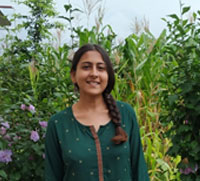
Meanwhile, a new episode of the Carbon Politics video podcast releases today, and asks the questions - How can Central Banks Aid Climate Action? Tune in to hear Sehr Raheja from the Climate Change and Green Economy Programme speak with Professor Richard Kozul-Wright, noted economist and former head of UNCTAD’s Globalisation and Development Strategies Division.
|
|
|
| |
|
|
| |
 |
|
| |
By - Sehr Raheja
Climate Change and Green Economy, CSE
|
| |
|
|
|
|
| |
|
|
| |
|
|
| |
|
|
| |
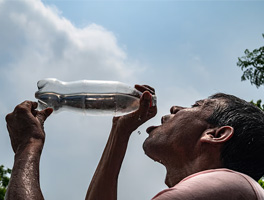
‘Super’ El Niño could cause 239,000 additional heat deaths by February 2027; India may see 15,800: Report, 24 September 2026
|
|
 |
|
|
| |
|
|
| |
 |
|
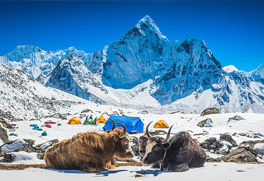
2025 fourth consecutive year with net loss in global glacial mass, 21 September 2026
|
|
|
| |
|
|
| |
|
|
| |
|
|
| |
CLIMATE NEWS | SCIENCE| IMPACTS| POLITICS |
|
| |
|
|
| |
|
|
| |
|
|
| |
|
|
| |
|
|
| |
|
|
| |
|
|
| |
|
|
| |
|
|
| |
|
|
| |
|
|
| |
|
|
| |
|
|
| |
|
|
| |
|
|
| |
|
|
| |
| CSE Podcast |
|
Online Training Course |
| |
|
|
|
|
|
|
|
|
| |
|
|
|