|
Dear readers,
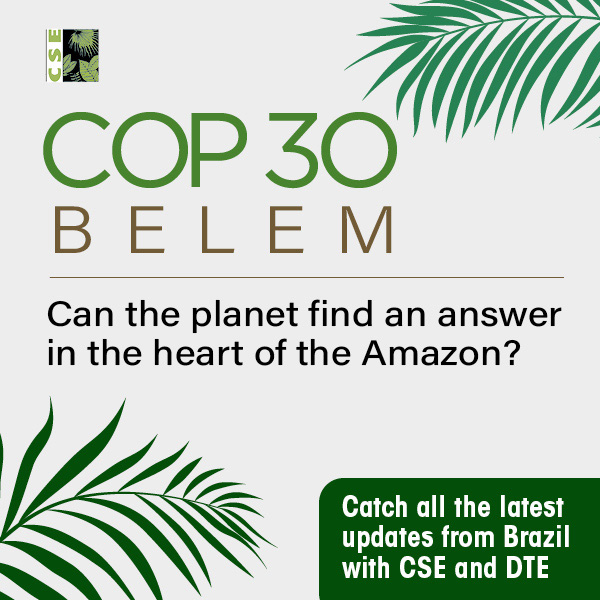
Welcome to the Climate Weekly Digest by the Centre for Science and Environment’s Climate Change programme and Down to Earth.
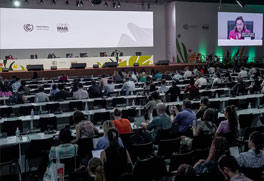
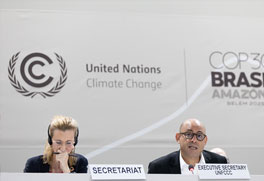
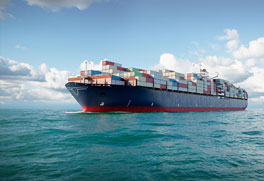
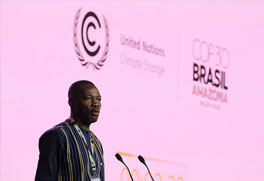
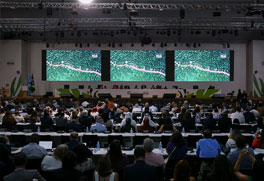
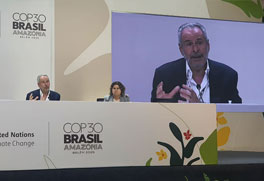
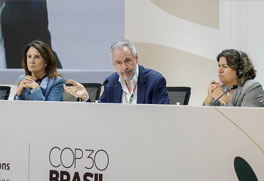
At COP30, the issue of unilateral trade measures has become a central point of contention, elevated across multiple negotiation rooms. CSE Climate’s Trishant Dev explains why developing country blocs sharply criticised measures like the EU’s Carbon Border Adjustment Mechanism (CBAM), arguing that they violate UNFCCC principles by shifting the cost of climate action onto the Global South and acting as disguised trade restrictions. Developed countries defended their policies and insisted the UNFCCC is not the appropriate forum for such discussions. In response, the COP Presidency tabled several options for a way forward, from technical workshops to a dedicated platform, ensuring that the trade-climate nexus is a key political issue at the summit.
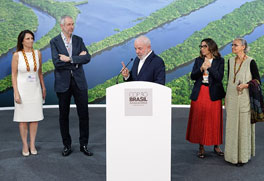
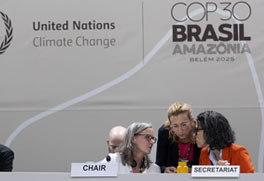
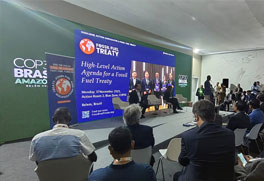
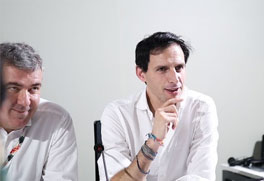
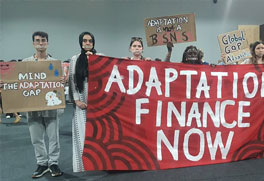
On climate finance, while no headline finance track is on the negotiation table at COP30, finance-related issues have loomed across several discussion tracks. CSE Climate’s Sehr Raheja writes about the key developments, including the launch of the Tropical Forests Forever Facility, which saw limited pledges and concerns over its blended finance model. Furthermore, critical debates on the public finance obligation of developed countries under Article 9.1 of the Paris Agreement were deferred to presidential consultations to avoid an agenda fight. Finance also dominated adaptation talks, where developing countries stressed that the Global Goal on Adaptation (GGA) cannot advance without scaled-up, predictable public funding.
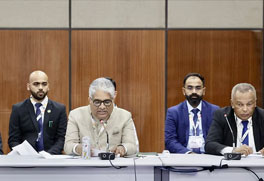
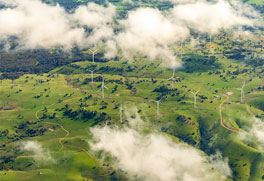
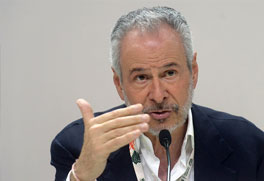
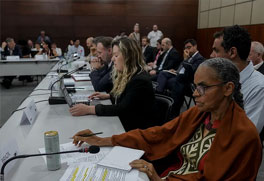
On the just transition agenda, sharp fault lines emerged over implementation. CSE Climate’s Rudrath Avinashi reports that the G77 and China bloc proposed a new mechanism under the UNFCCC to coordinate the Just Transition Work Programme and deliver predictable finance. Developed countries, including the EU and UK, resisted this, questioning the need for new structures. Further disputes intensified over unilateral trade measures like the EU’s CBAM, which developing countries argued are protectionist and reverse financial flows from the developing to the developed, alongside disagreements on fossil fuel language and the role of transitional fuels like natural gas.
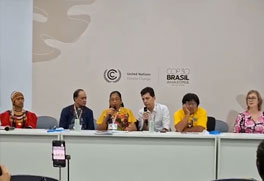
Lastly, CSE and Down to Earth will co-host a post-COP30 debrief webinar on Wednesday, November 26. In this webinar, our delegation will decode the final outcomes across major negotiation tracks and present the key developments that shaped this year’s climate summit in Belem, Brazil.
|
|
|
| |
|
|
| |
 |
|
| |
By - Upamanyu Das
Climate Change, CSE
|
| |
|
|
|
|
| |
|
|
| |
|
|
| |
|
|
| |
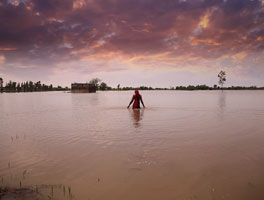
Lives lost to extreme weather events in India increased nearly 50% in 4 years, 19 November 2025
|
|
 |
|
|
| |
|
|
| |
 |
|
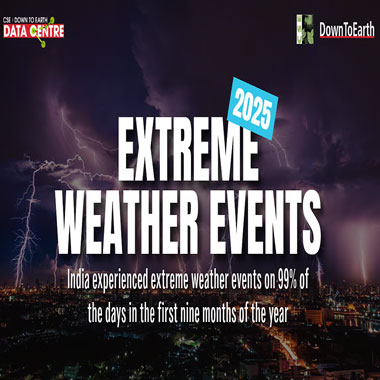
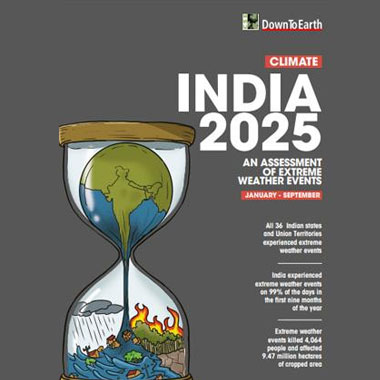
India Climate 2025: 99% of days in January-September experienced extreme weather, 19 November 2025
|
|
|
| |
|
|
| |
|
|
| |
|
|
| |
|
|
| |
|
|
| |
CLIMATE NEWS | SCIENCE| IMPACTS| POLITICS |
|
| |
|
|
| |
|
|
| |
|
|
| |
|
|
| |
|
|
| |
|
|
| |
|
|
| |
|
|
| |
|
|
| |
|
|
| |
|
|
| |
|
|
| |
|
|
| |
|
|
| |
|
|
| |
|
|
| |
|
|
| |
|
|
| |
|
|
| |
|
|
| |
|
|
| |
|
|
| |
|
|
| |
|
|
| |
|
|
| |
|
|
| |
|
|
| |
|
|
| |
|
|
| |
|
|
| |
|
|
| |
|
|
| |
|
|
| |
|
|
| |
|
|
| |
|
|
| |
|
|
| |
|
|
| |
|
|
| |
|
|
| |
|
|
| |
|
|
| |
|
|
| |
|
|
| |
|
|
| |
|
|
| |
|
|
| |
|
|
| |
|
|
| |
|
|
| |
|
|
| |
|
|
| |
|
|
| |
|
|
| |
|
|
| |
|
|
| |
|
|
| |
|
|
| |
|
|
| |
|
|
| |
|
|
| |
|
|
| |
|
|
| |
|
|
| |
|
|
| |
|
|
| |
|
|
| |
|
|
| |
|
|
| |
|
CSE at COP 30: The Belem Buzz |
|
 |
 |
|
 |
|
|
| |
|
|
| |
|
|
| |
|
|