| |
A weekly digest on impacts, politics and science of the climate emergency from the Global South perspective. You can find this digest in the web here.
|
|
| |
|
|
 |
Dear readers,
Welcome to the Climate Weekly Digest by the Centre for Science and Environment’s Climate Change and Green Economy programme and Down to Earth.
A new report by the World Meteorological Organization (WMO) has claimed that global temperatures are going to stay at or near record levels for the next five years. Down to Earth’s Akshit Sangomla reports that global annual average surface temperatures between 2026-2030 could range from 1.3°C and 1.9°C above pre-industrial levels. Furthermore, there is an 86 per cent chance that one of those years could overtake 2024 as the warmest year on record, when global average temperatures crossed 1.5°C above the pre-industrial average for the first time. There remains a 75 per cent chance that the five-year global average temperature for 2026-2030 may cross the 1.5°C warming threshold. The 1.5°C threshold specified by the Paris Agreement refers to long-term warming sustained over an extended period, typically 20 years.
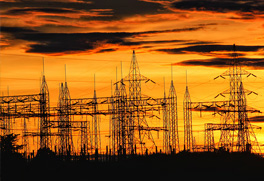
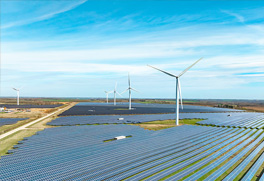
In energy news, according to a report by the International Renewable Energy Agency (IRENA), electricity must account for 35 per cent of global final energy consumption by 2035 and cross 50 per cent by 2050—if the world is to stay on a 1.5°C-compatible pathway. Down to Earth’s Puja Das writes that the total global renewable energy capacity must rise to 18.4 terawatts (TW) by 2035 and 38.2 TW by 2050, while annual grid infrastructure investment must increase from $0.5 trillion in 2025 to around $1 trillion a year between 2026-2035.
The report, released in collaboration with the Brazilian Presidency of the 30th Conference of the Parties (COP30), identified that the world remains off track, with weak energy efficiency gains, inadequate grid infrastructure and uneven renewable energy deployment being major barriers to the green transition. The agency calls for faster renewable energy deployment, expansion and modernisation of electricity grids, improvements in energy storage and grid flexibility, phase-down of fossil fuel subsidies, provision of concessional finance for developing economies, and stronger incentives for electrification across transport, buildings and industry.
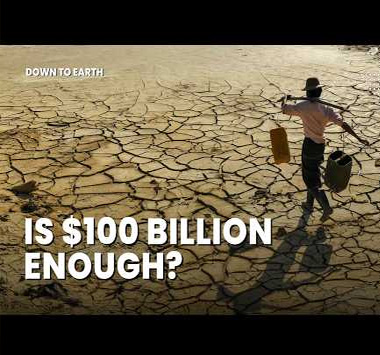
Finally, the latest episode of the Carbon Politics podcast was released on Thursday, May 28. In this episode, titled "Can Climate Finance be too Expensive?", CSE Climate’s Sehr Raheja speaks with Neha Khanna from Climate Policy Initiative about the high cost of capital for green technologies in the Global South, why this is a barrier for climate action, and how developing countries can address this issue.
|
|
|
| |
|
|
| |
 |
|
| |
By - Upamanyu Das
Climate Change and Green Economy, CSE
|
| |
|
|
|
|
| |
|
|
| |
|
|
| |
|
|
| |
Global temperatures at or near record levels for next 5 years: WMO, 28 May 2026
|
|
 |
|
|
| |
|
|
| |
 |
|
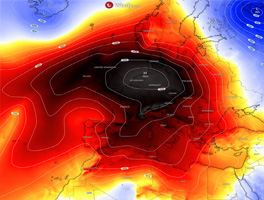
Spring heatwaves in the United Kingdom and Western Europe break records, 27 May 2026
|
|
|
| |
|
|
| |
|
|
| |
|
|
| |
|
|
| |
|
|
| |
CLIMATE NEWS | SCIENCE| IMPACTS| POLITICS |
|
| |
|
|
| |
|
|
| |
|
|
| |
|
|
| |
|
|
| |
|
|
| |
|
|
| |
|
|
| |
|
|
| |
|
|
| |
|
|
| |
|
|
| |
|
|
| |
|
|
| |
|
|
| |
|
|
| |
|
|
| |
|
|
| |
|
|
| |
|
|
| |
|
|
| |
|
|
| |
|
|
| |
|
|
| |
| |
|
Carbon Politics: A Video Podcast by CSE |
|
|
|
 |
|
|

|
|
|
| |
|
|
|