
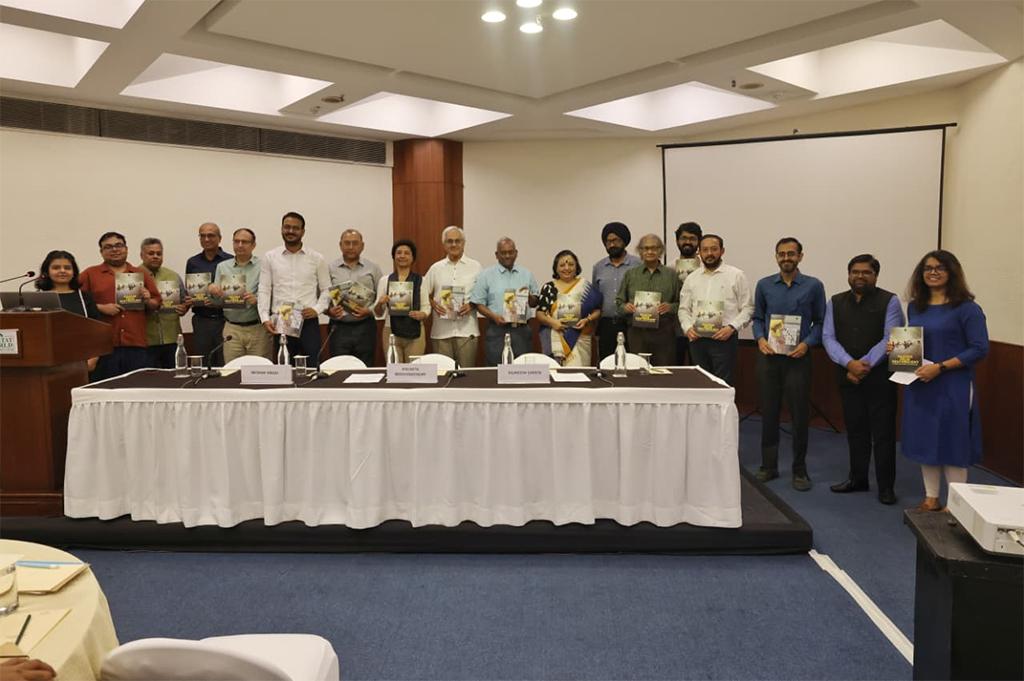
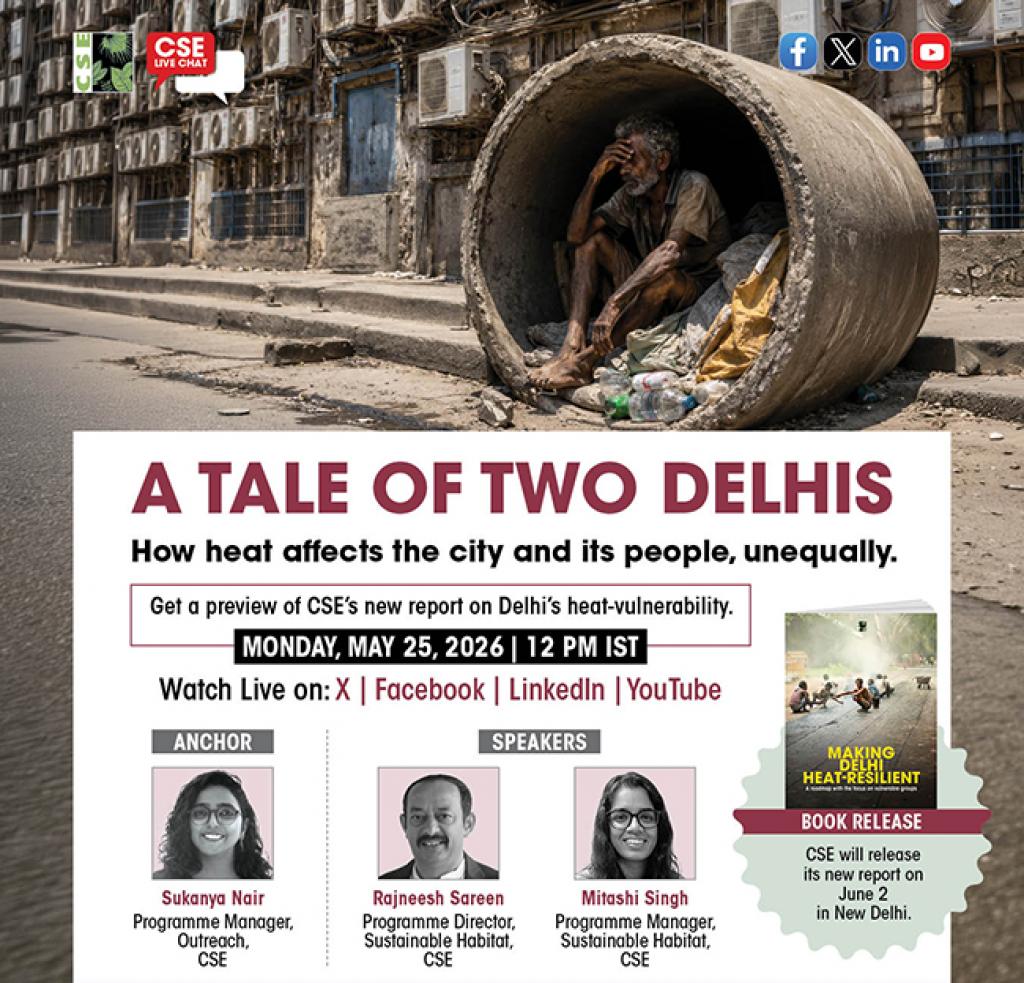
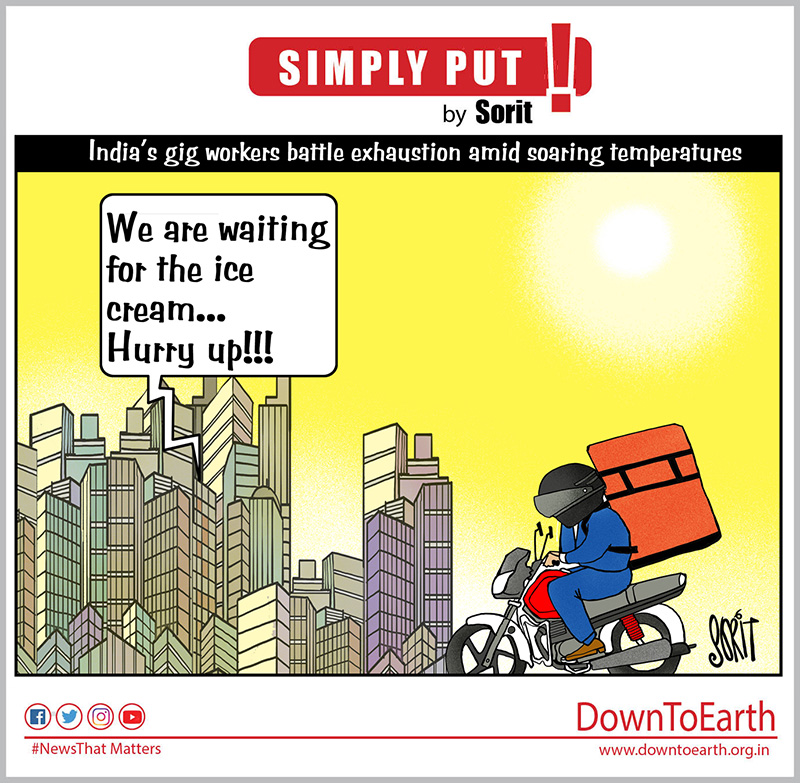
Delhi now has two ‘seasonal killers’: winters choke us with air pollution, and summers are becoming lethal with heat. In both the cases, the same people suffer the most -- construction workers at open sites, delivery riders, street vendors, children walking to and from school, people living in makeshift tin sheet houses, and many others.
In today’s climate-risked times, rising temperatures are exposing and magnifying the inequalities of our society and the weaknesses of our systems. The consequences are increasing incidence of heat-related illnesses, falling productivity, wage loss, and rising household expenditure on cooling.
Our policy response, which has largely involved warnings and avoidance (such as banning outdoor work during peak heat hours) may need more teeth. It is time to move beyond advisories. We need structural responses and solutions to embed heat resilience in the city’s veins: cool public spaces, livelihood safety nets, healthcare support, preparedness and rapid response systems, long-term urban cooling, adaptation funds and finance.
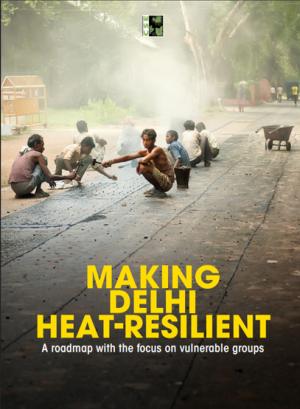
Making Delhi Heat-Resilient is a new report from Centre for Science and Environment (CSE) which examines latest data and trends to offer a geo-spatial and socio-economic assessment of vulnerable communities facing heat stress in Delhi. It also proposes a dual-strategy roadmap that includes community focused interventions and long-term actions to enable Delhi survive heat strongly and equitably.
FOR MORE DETAILS, CONTACT:
Mitashi Singh
Programme Manager
Sustainable Habitat, CSE
mitashi.singh@cseindia.org
999970551


Share this article