| |
A weekly digest on impacts, politics and science of the climate emergency from the Global South perspective. You can find this digest in the web here.
|
|
| |
|
|
 |
Dear readers,
Welcome to the Climate Weekly Digest by the Centre for Science and Environment’s Climate Change and Green Economy programme and Down to Earth.
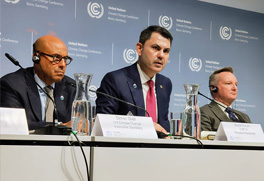
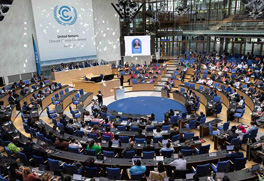
The mid-year climate discussions began on June 8 with country delegates, civil society and technical experts gathering in Bonn, Germany, marking the first major multilateral climate meeting since COP30 in Brazil. CSE Climate’s Sehr Raheja, in attendance at Bonn, reports on the mandates and priority areas for the year, with the UNFCCC Executive Secretary Simon Stiell calling for prioritising access to climate finance, accelerating implementation, progressing on the Global Goal on Adaptation, and delivering on the first Global Stocktake outcome—including the decision to transition away from fossil fuels agreed at COP28. He also highlighted the need to finalise a Just Transition Mechanism to support affected communities.
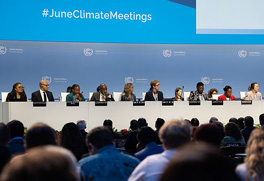
CSE Climate’s Avantika Goswami, also in attendance, spoke as a panelist at the press conference organised by Climate Action Network—a network of over 2000 civil society organisations—where she spotlighted the need for climate ambition from all actors to meet the current geopolitical crisis. She highlighted that while some countries are retreating from climate ambition, the Global South continues to drive the green transition despite severe structural constraints. While this is a time of disruption, she added, it can also be a time to reform the international financial architecture, provide debt relief and rethink trade rules to support climate-aligned development.
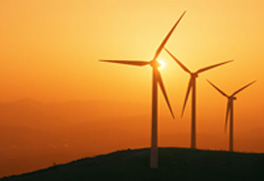
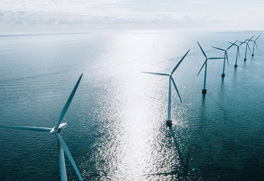
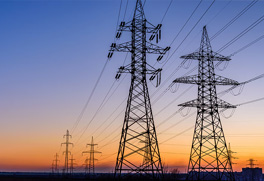
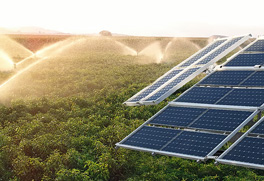
As the need to accelerate the shift away from fossil fuels intensifies, the incoming COP31 Presidency of Türkiye has announced a proposal to set a global electrification target of 35 per cent by 2035. Down to Earth’s Puja Das writes that the announcement, unveiled at Bonn, is part of a broader Action Agenda by the Presidency aimed at turning climate pledges into real-world outcomes. The move aims to raise the share of final energy demand met by electricity from just over 20 per cent today, and is informed by analysis from the International Renewable Energy Agency (IRENA) to limit warming to 1.5°C. As a result, it places electrification at the centre of emission reduction efforts, furthering energy security and accelerating the clean energy transition.
Finally, the latest episode of the Carbon Politics podcast was released on Thursday, May 28. Titled "Can Climate Finance be too Expensive?", the episode features Raheja in conversation with Neha Khanna from Climate Policy Initiative, where they discuss the high cost of capital for green technologies in the Global South, the barriers that keep affordable finance out of reach, and how developing countries can address this challenge.
|
|
|
| |
|
|
| |
 |
|
| |
By - Upamanyu Das
Climate Change and Green Economy, CSE
|
| |
|
|
|
|
| |
|
|
| |
|
|
| |
|
|
| |
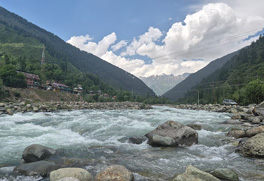
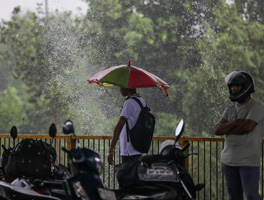
Hotter, drier Hindu Kush Himalaya monsoon likely in 2026, ICIMOD warns of dual threat of droughts and flash floods, 11 June 2026
|
|
 |
|
|
| |
|
|
| |
 |
|
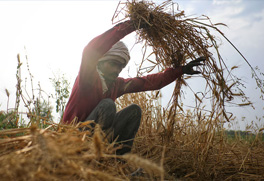
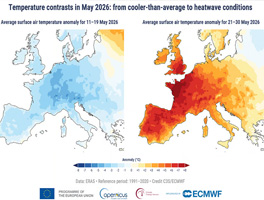
May 2026 was second warmest May on record, Copernicus says, 10 June 2026
|
|
|
| |
|
|
| |
|
|
| |
|
|
| |
CLIMATE NEWS | SCIENCE| IMPACTS| POLITICS |
|
| |
|
|
| |
|
|
| |
|
|
| |
|
|
| |
|
|
| |
|
|
| |
|
|
| |
|
|
| |
|
|
| |
|
|
| |
|
|
| |
|
|
| |
|
|
| |
|
|
| |
|
|
| |
|
|
| |
|
|
| |
|
|
| |
|
|
| |
|
|
| |
|
|
| |
|
|
| |
|
|
| |
|
|
| |
|
|
| |
|
|
| |
|
|
| |
|
|
| |
|
|
| |
|
|
| |
| |
|
Carbon Politics: A Video Podcast by CSE |
|
|
|
 |
|
|

|
|
|
| |
|
|
| |
|
|
| |
|
|