| |
A weekly digest on impacts, politics and science of the climate emergency from the Global South perspective. You can find this digest in the web here.
|
|
| |
|
|
 |
Dear readers,
Welcome to the Climate Weekly Digest by the Centre for Science and Environment’s Climate Change and Green Economy programme and Down to Earth.
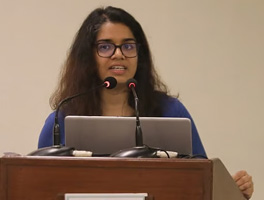
This week, countries are meeting in Germany for the Bonn Climate Change Conference (SB64) to assess the progress since COP30 in Brazil and prepare the groundwork for COP31 in Turkiye. On Friday, June 5, CSE Climate’s Sehr Raheja, Trishant Dev and Rudrath Avinashi sat down for a discussion on what to expect from the mid-year climate talks on the key issues in contention, including climate finance, adaptation, just transition, fossil fuel transition, carbon markets and trade. They also highlight the current geopolitical turmoil and how it might impact developing countries and the multilateral climate agenda at the Bonn conference.
In related updates, last year, the Brazilian COP30 presidency initiated two roadmap processes: one on transitioning away from fossil fuels (TAFF) and the other on halting and reversing deforestation by 2030. Avinashi, in his latest article, maps out how countries have responded to these roadmaps, highlighting the wide differences in country priorities shaped by domestic development needs and energy security concerns. On the roadmap for TAFF, developed nations converge around carbon pricing and carbon capture as ways to address the phase-out of fossil fuels. Developing countries, on the other hand, discuss the need to reform the international financial architecture that remains misaligned with national climate priorities.
On halting deforestation, small island states and least developed countries aim to balance ecological fragility with economic resilience, calling for mechanisms such as debt-for-nature swaps and better access to international funds. However, developed countries converge around market-led mechanisms and trade measures focused on supply chain accountability. Together, Avinashi writes, the roadmaps reveal the divergence between historical emitters and developing nations, with the Bonn conference expected to test whether the roadmaps can move towards consensus and implementation.
Lastly, the latest episode of the Carbon Politics podcast was released on Thursday, May 28. In this episode, titled "Can Climate Finance be too Expensive?", Raheja talks to Neha Khanna from Climate Policy Initiative about the high cost of capital for green technologies in the Global South, the barriers that keep affordable finance out of reach and how developing countries can address this challenge.
|
|
|
| |
|
|
| |
 |
|
| |
By - Upamanyu Das
Climate Change and Green Economy, CSE
|
| |
|
|
|
|
| |
|
|
| |
|
|
| |
|
|
| |
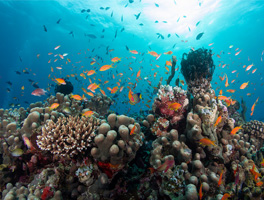
World’s fourth mass coral bleaching event, fastest and widest on record, likely ended in 2025, 04 June 2026
|
|
 |
|
|
| |
|
|
| |
 |
|
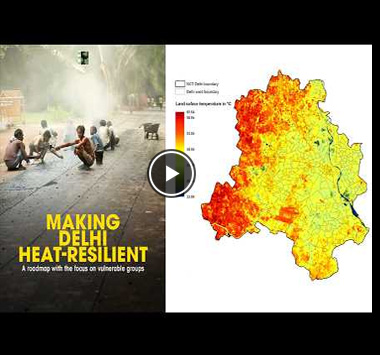
Almost 76 per cent of Delhi is persistently heat-stressed in summers, says new CSE report, 02 June 2026
|
|
|
| |
|
|
| |
|
|
| |
|
|
| |
|
|
| |
|
|
| |
|
|
| |
CLIMATE NEWS | SCIENCE| IMPACTS| POLITICS |
|
| |
|
|
| |
|
|
| |
|
|
| |
|
|
| |
|
|
| |
|
|
| |
|
|
| |
|
|
| |
|
|
| |
|
|
| |
|
|
| |
|
|
| |
|
|
| |
|
|
| |
|
|
| |
|
|
| |
|
|
| |
|
|
| |
|
|
| |
|
|
| |
| |
|
Carbon Politics: A Video Podcast by CSE |
|
|
|
 |
|
|
|
|
|
| |
|
|
| |
|
|
| |
|
|
|