|
Dear readers,
Welcome to the Climate Weekly Digest by the Centre for Science and Environment’s Climate Change programme and Down to Earth.
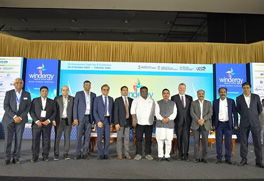
On November 7, CSE Climate released a three-part discussion paper titled “Towards a New Green World”. The paper series brings together the questions of decarbonisation and economic resilience by focusing on three issues: agriculture and forest commodities, critical minerals, and clean technology manufacturing—exploring how developing economies can stay afloat in a climate-risked world.
In “Agriculture and forest commodities: Addressing raw-commodity dependence”, Rudrath Avinashi explores the impact of commodity dependency on countries—especially those who depend on forest and agriculture-based commodities—through the lens of climate change, trade and development. The paper highlights how price volatility and climate shocks exacerbate commodity dependence, and how value addition and diversification can help countries to escape the low-value commodity trap.
The next paper in the series, “Critical minerals: Moving up the value chain” delves into the critical minerals necessary for catalysing the clean energy transition and global decarbonisation. In this report, Sehr Raheja and Rudrath Avinashi examine the present landscape of critical mineral use and trade, strategic partnerships that are attempting to break the current geopolitical strongholds on several critical minerals, and principles and recommendations for paving the way forward for the Global South to advance in the critical minerals landscape.
Finally, in “Clean Technology Manufacturing: Navigating the Green Industrialization Dilemma”, Avantika Goswami and Trishant Dev highlight the dual challenge faced by developing countries of decarbonising while industrialising to meet the demands of a growing economy. The paper explores the clean technology sector and how countries can pursue green industrialisation amid prohibitive financing costs, limited technology access and restrictive global trade rules. It outlines key takeaways from country experiences, calling for renewed industrial policy, South–South cooperation, and global reforms to build resilient economies.
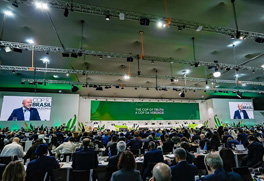
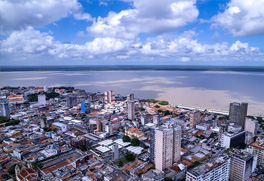
Lastly, as COP30 begins this week in Belem, CSE Climate hosted a pre-COP briefing on Thursday, November 6. This year’s climate summit focuses on several important themes including just transition, the Global Goal on Adaptation, climate finance and the ambition gap in countries’ NDCs. Watch the briefing to understand the key issues to look out for at COP30.
|
|
|
| |
|
|
| |
 |
|
| |
By - Upamanyu Das
Climate Change, CSE
|
| |
|
|
|
|
| |
|
|
| |
|
|
| |
|
|
| |
 |
|
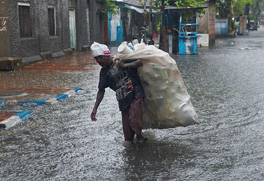
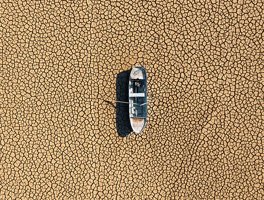
Earth showing alarming symptoms of climate distress as 22 of 34 key indicators hit record highs: Report, 31 October 2025
|
|
|
| |
|
|
| |
|
|
| |
|
|
| |
CLIMATE NEWS | SCIENCE| IMPACTS| POLITICS |
|
| |
|
|
| |
|
|
| |
|
|
| |
|
|
| |
|
|
| |
|
|
| |
|
|
| |
|
|
| |
|
|
| |
|
|
| |
|
|
| |
|
|
| |
|
|
| |
|
|
| |
|
|
| |
|
|
| |
|
|
| |
|
|
| |
|
|
| |
|
|
| |
|
|
| |
 |
|
|
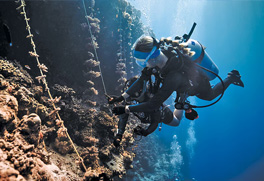
Fading reefs, 03 November 2025
|
|
|
Warm-water corals are the first major ecosystem to collapse in a rapidly warming planet. Scientists are racing to save them using cutting-edge technologies, from preserving spawn to breeding hardier varieties, but admit their efforts may fall short unless global temperature rises are limited to below 1.5°C
|
|
|
|
|
| |
|
|
| |
|
|
| |
|
|
| |
|
|
| |
|
|
| |
|
|
| |
|
|
| |
| Carbon Politics: A Video Podcast by CSE |
|
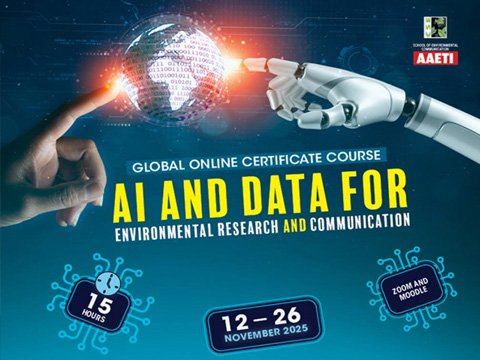
Online Training Course |
| |
|
|
|
|
|
|
|
|
| |
|
|