Climate Colonialism: How the Global South Pays for the North’s Pollution
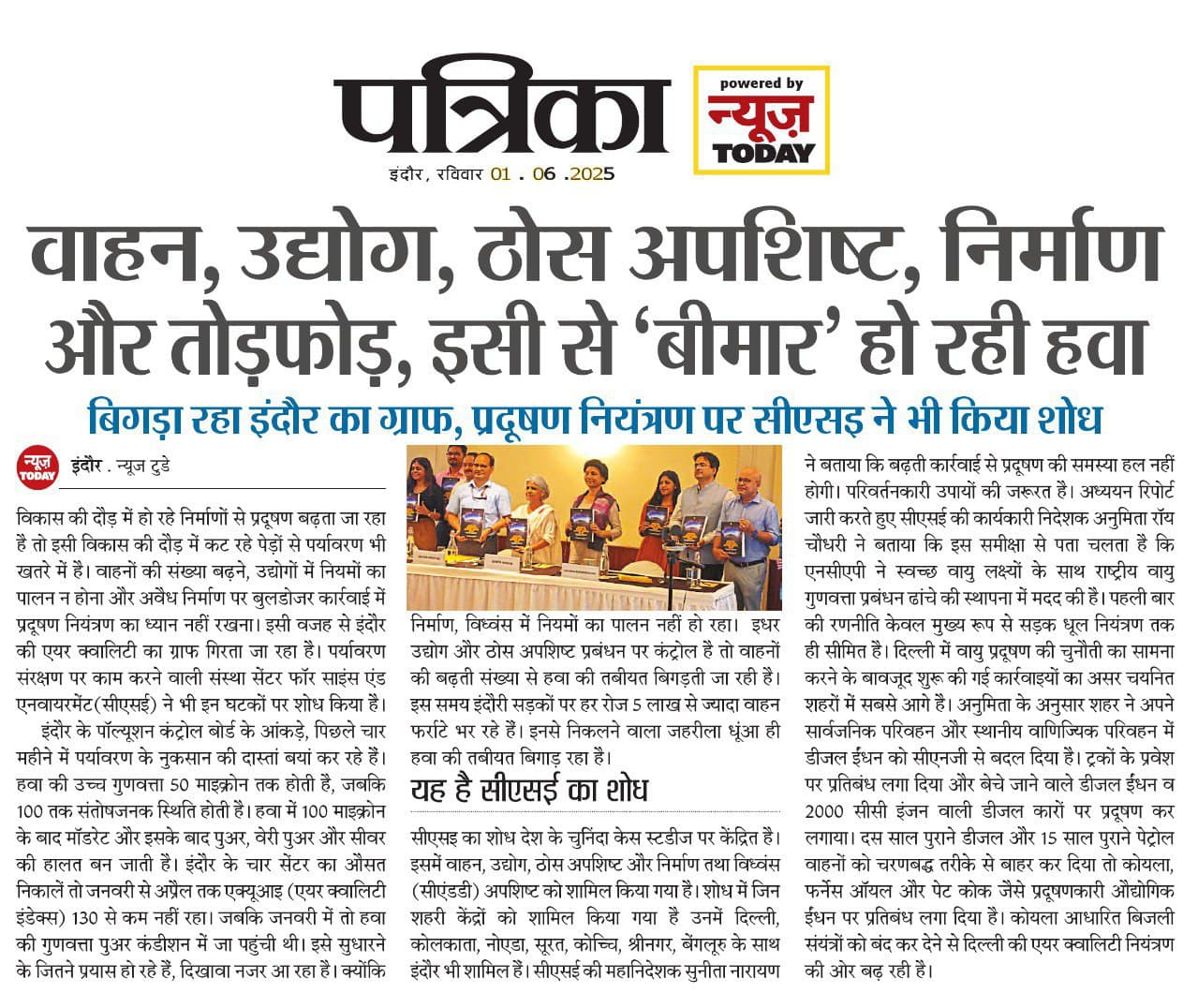
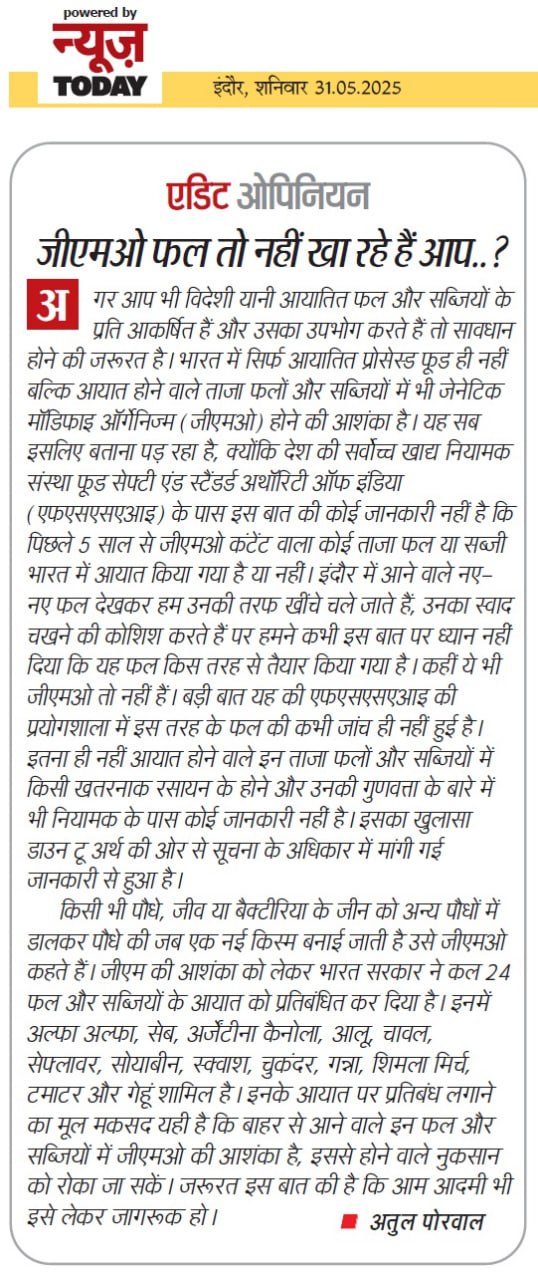
Sunita Narain, a leading environmentalist from India, in a C2G Talk interview, articulated that climate change is a great equalizer and we have to work together. Floods in Pakistan, heat waves in India, and rising sea levels swallowing Pacific islands are not just natural disasters; they are consequences of a global climate crisis based on centuries of exploitation. The Global North profited from industrialization, but the Global South pays the price. The Global North comprises the world’s wealthier, industrialized countries, predominantly located in North America and Western Europe. The Global South encompasses the developing countries situated throughout Africa, Asia, Latin America, and the Pacific Islands. Although these terms are not strictly geographic, they point to significant economic and political inequalities. Climate colonialism has indeed occurred. It is high time that we start discussing the environmental weaponization in geopolitical conflicts because the climate crisis isn't just environmental anymore; it has become political and more. What is Climate Colonialism? Climate colonialism, a term coined by activists and scholars, refers to the way former colonial powers continue to impose environmental and economic burdens on the Global South. It’s not just about emissions. It’s about who suffers, who profits, and who gets to decide what happens next. The Carbon Brief reports that the U.S. accounts for more than 20% of all carbon emissions up until 1850. The European Union adds another 17% to that total. Most at-risk countries from climate change like Bangladesh, Mozambique, and the Philippines have each contributed less than 1% of the total emissions. The Global North's industrialization was based on resource extraction from colonized territories: coal from India, rubber from the Congo, and oil from the Middle East. These raw materials fueled Western development while leaving the colonies impoverished and with polluted environments. Now, as the climate crisis deepens, formerly colonized nations are being told to cut their emissions, usually without financial or technological support to do so. Sunita Narain, a leading environmentalist from India, in a C2G Talk interview, articulated that climate change is a great equalizer and we have to work together. This is one issue on which the rich cannot bully the poor, and it is also one issue on which the poor cannot not cooperate; so we need both sides. She further added, 'If I look at the costs of why nature-based solutions are becoming so prominent in the mitigation options and in net zero, it is because everybody thinks that there is a huge amount of land available in countries of the developing world, whether it is Africa or India, where you can plant trees at negative cost or at minimal cost. You look at the ranges coming out of Europe which say it is going to be so expensive to plant trees there, but you can do that in Africa. But that African land belongs to somebody, it belongs to some community that needs to get livelihood security from the use of that land. They need to benefit from it. So I think, we are not putting our money where our mouth is.'