The Disappearing Public Space in Indian Cities: Malls Over Parks, Gates Over Access
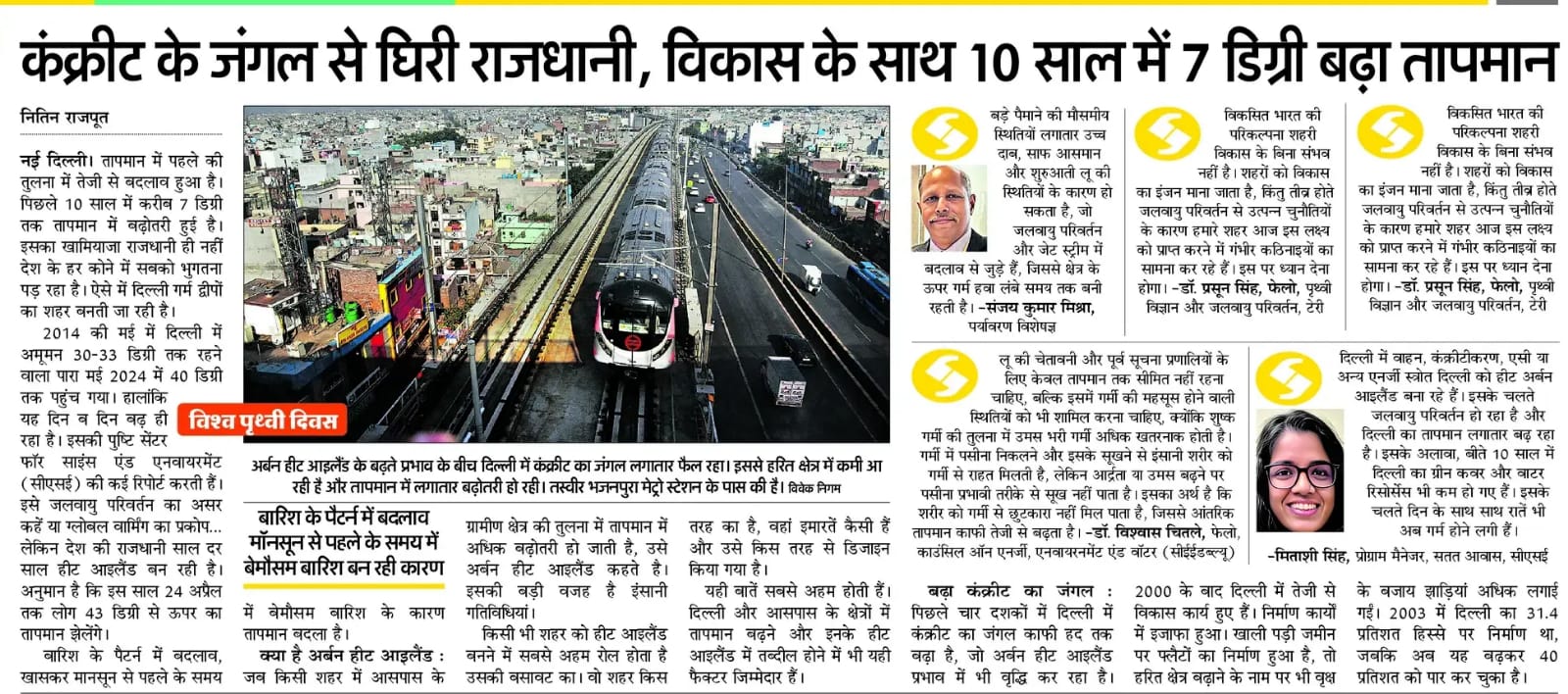
There used to be a maidan near the old bus stand in the city where I grew up. Children played there in the mornings, vegetable vendors set up in the evenings, and once a year, a small mela took place for three days, drawing the whole neighbourhood out. Now, the maidan has turned into a parking lot. The mela has moved elsewhere. This isn’t just nostalgia; it’s a well-documented trend that is growing in Indian cities. The privatisation of public spaces is not just a byproduct of urbanisation; in many cities, it’s part of the plan. The Green Space Number Nobody Talks About Most Indian cities offer less than 3 square meters of public green space per person, compared to the World Health Organisation’s suggestion of 9 square meters. The Centre for Science and Environment place the national urban average below 1.5 square meters. This gap between what cities supply and what a decent urban life needs is not evenly distributed. It closely follows class lines. Data from Pune in May 2024 showed that densely populated, low-income neighbourhoods reached surface temperatures of 69°C. In contrast, affluent areas with trees remained significantly cooler. This difference is not accidental. Wealthy neighbourhoods keep their trees and parks, while low-income areas are denser, greener in name only, and hotter as a result. The Air Conditioning Trap Air conditioner use has surged, which is understandable. Cities are getting hotter, outdoor spaces are disappearing, and for those who can afford it, staying indoors seems like the only choice. However, this solution comes with consequences. Air conditioners make rooms cooler by pushing heat outside. As more people depend on them, the streets heat up more, leading to an even greater need for indoor cooling. This creates a cycle of comfort for some while conditions worsen for others. In many low-income neighbourhoods, families live in cramped spaces with little ventilation, stuck between suffocating indoors and burning heat outside. The cooling experienced in other areas merely shifts to these regions. The heat is not reduced; it changes location from those who can escape it to those who cannot. Who Public Space Is Built For The master plan reveals who a city believes it is serving. In most Indian cities, this belief is clear. Roads and parking take up land that should have parks. Development projects get approved on green spaces. The URDPFI guidelines recommend 12-18% green cover in urban areas, yet almost no Indian city meets this. The Smart Cities Mission prioritises green and blue infrastructure on paper, but the gap between this goal and actual green cover in participating cities is vast. What gets developed, malls, gated communities, and commercial parks with restricted access, shares one common trait: it is space that can be monetised. The underlying belief of Indian urban planning is that public space is what remains after productive uses are accounted for. Parks are built in planned cities like Chandigarh and Gandhinagar because such developments are part of their initial designs. In cities where most of India’s urban poor live, parks are just what hasn’t been converted yet. Gated communities extend this idea into living spaces. The street in front of a gated complex is technically public, but it feels unwelcoming to anyone who isn’t a resident or guest. Informal businesses, the tea stall, the vegetable cart, the bicycle repair shop, are pushed out of these areas not by law but by design: speed bumps, security guards, no stopping signs, CCTV. Street vendors and kite flyers don’t appear in the design plans. What the Absence of Public Space Costs Lack of public space affects health. Urban heat islands lead to more deaths in dense areas with insufficient greenery. People in these regions also have less access to cooled indoor spaces to survive extreme heat. Heat-related hospitalisations and deaths are concentrated among the urban poor—those who are already far away from the little green public space that exists. It costs livelihoods, too. Street vendors, construction workers, gig delivery workers, and domestic workers rely on outdoor spaces for their work. When those spaces become hotter, more uncomfortable, and less accessible, their income and safety decline. The NDMA’s advisory in June 2025 recognised the need for shaded rest areas and water access for outdoor workers. This addressed the loss caused by insufficient public infrastructure, but it still isn’t legally binding for anyone. It also costs community life. The maidan and the park are places where people gather outside of private or commercial dealings. They are spots for protests and where communities connect across class lines. As these spaces shrink or become unreachable, the ability for public life that is not controlled by money diminishes alongside them. What Would Change This To address declining green space, make the URDPFI minimum green cover requirements mandatory through building permit processes and development approvals. Use AMRUT 2.0 funding to require measurable green space targets per ward, exposing differences between slum and suburban environments seen in satellite data. The FSI clawback mechanism, which some cities are beginning to test for affordable housing, could also apply to green spaces. Developers who exceed limits on green-zone conversions could be required to help fund the development of public parks in proportion to what they have taken away. Singapore has implemented this successfully through planning laws. Indian cities have the legal structures; what they lack is the political will to enforce them. A city’s true vitality lies in its public spaces, accessible to all. Change requires not only policies but a shift in who urban life is designed for. It is possible for maidans and melas to return, for streets to belong to everyone again. Until then, the struggle for inclusive cities continues, shaped by who has the right to gather, play, and connect, and who does not.