Over the last 15 years or so, every time I see something new written by Sunita Narain, I make it a point to read it immediately. The simple reason for this is her clarity, passion, erudition, and succinctness in addressing the most critical issue confronting our very existence: climate change. Her writings deserve every serious reader’s attention and applause. Her latest work, ‘The Rise of the Neolocals: A Generational Reversal of Globalisation’, is no exception. At just 121 pages, it is a compact, highly readable book that underscores the importance of simplifying the discourse on climate change and presenting it in an accessible manner. Narain has consistently excelled in making complex issues understandable to a wider audience, bringing them to the forefront of government policies and public advocacy. In 11 subsections, Narain explores an array of interconnected themes. She begins by discussing the entry of multinational companies (MNCs) into India and the subsequent resistance rooted in a desire to maintain localism and self-reliance. Her analysis helps readers grasp India’s journey from this resistance to full-fledged globalisation. She then delves into the degradation of essential resources like air, water, land, soil, rivers, and the food chain, laying bare the stark realities of growing inequalities and the dichotomy between “survival emissions” and “luxury emissions.” Narain also examines the phenomenon of generational reversal and de-globalisation, citing examples like the re-election of Trump, Brexit, political polarisation in Europe, and the rise of revanchism worldwide. She aptly terms this as the “revenge of the rich.” By weaving together examples from China to America, she reveals a world caught in contradictions and alternative realities, where real issues are pushed into the background. One of the book’s standout chapters focuses on recycling and the circular economy. Narain sharply critiques the hypocritical stance of wealthy nations that export their waste to poorer countries, emphasizing the need for legally binding commitments to address the “Not-In-My-Backyard” (NIMBY) mindset. Her argument—that we must own and act on our waste—is both timely and powerful. Narain also addresses the dangers of unchecked formalisation, highlighting how the push for formal economic pathways often disregards the informal economies that sustain millions. She calls for greater equity in globalisation, noting that existing frameworks often favour the West and wealthy business oligarchs while exacerbating ecological and economic inequalities. The concluding sections of the book are especially thought-provoking. Narain discusses the shrinking carbon space, the false dichotomy between development and the environment, and the immense challenges of transitioning to a sustainable future. She also touches on the tragedy of nutritional insecurity, the growing frequency of disasters, and the plight of migrants—issues that expose the West’s indifference toward the vulnerable. The Rise of the Neolocals is an insightful and compelling read. It provides a foundational understanding of the issues threatening our existence while offering practical solutions that, if implemented, could help sustain the planet. The writer is a teacher By Uzair Qadri
Sunita Narain's compelling booklet dissects ecological contradictions, de-globalisation, and inclusive solutions for the planet’s most pressing challenges. Over the last 15 years and more, every time I see anything new written by Sunita Narain, I immediately go through it. The simple reason for that is her clarity, passion, erudition and succinctness about the most important issue confronting our very own existence. Her pennings deserve every serious individual’s applause and emulation. In the most recent instance, I have just finished this small book, rather a booklet, by her. The book goes by the name “The Rise of the Neolocals: A generational Reversal of Globalisation.” The book is all of neatly-written 121 pages. That makes the book highly readable. It is inordinately important that to popularise the holistic message of climate change, the jargon about the issue is lessened and thinner books are written on it. On this count, the author has always been doing an excellent job. It is her untiringly passionate argumentation and remonstrations which has, over time, brought the discourse over the issue front and centre in government policy and public advocacy circles. In the 11 subsections of the book, she has talked about a myriad of themes. She has started from the ingression of the first Multinational Companies (MNCs) in India and the resultant resistance ensuing from the issue. Her scholarship makes a reader understand better the leap made by India from the clamour to maintain localism and nativism rooted in self-reliance to the driveway of globalisation. This has been followed by a long elaboration on the downward slide of everything that lets us exist: Air, Water, Land, Soil, Rivers, Food chain etc. The differentiation between “Survival Emissions” and “Luxury Emissions” is clearly borne out in the reality of growing inequalities, festering injustices, absent accessibilities for some etc. It is followed by the illustrations on generational reversal, de-globalisation exemplified in the re-election of Trump, Brexit, parochial political polarisation in Europe and ascendancy of revanchism everywhere in the world. The author has called it the “revenge of the rich.” From China to America, the author makes a reader know that the world is mired in inexplicable contradictions and convergences. This has led to what is alternative reality of sorts, making the real issues get relegated to the background.
Disappointed by the fizzled-out climate talks on the Caspian Sea’s shores in Baku last month, a diverse group of environmentalists, climate experts, government officials, and UN representatives huddled in New Delhi’s India International Center to carry out a post-mortem and find out “what went wrong”. They also proposed a future course to salvage the planet. “The saddest part of the entire debate and discussion is that climate change is treated as a business opportunity rather than an urgent crisis,” said Leena Nandan, Secretary of the Environment, Forest and Climate Change Ministry, implicating the richer nations during climate negotiations at Baku. The discussion, titled ‘COP29: Progress or Posturing? The wins, woes, and what was missed’ saw about 100 people turn up on a cold Delhi evening. “India and the world should have rejected the $300 billion agreement [climate finance deal]—it’s crumbs, not even peanuts. A no-deal would have been better than the deal we have returned with,” said environmentalist Sunita Narain, one of the panellists. Narain pointed out that this so-called agreement consigns 70 per cent of the world to continue developing unsustainably, adding to emissions and worsening the climate crisis. Instead of creating an enabling framework, it has set up a disabling one, leaving the majority of the world with no real options for sustainable growth. Yet, Narain championed the United Nations’ multilateral approach as the best way to channel this dissent.
डॉनल्ड ट्रंप की दूसरी पारी जलवायु परिवर्तन के लिए क्या मायने रखती है? ट्रंप दुनिया को अब तक सबसे अधिक ग्रीनहाउस गैस देने वाले और हर साल उनके उत्सर्जन में दूसरा सबसे ज्यादा इजाफा करने वाले अमेरिका के राष्ट्रपति बनने जा रहे हैं। सर्वविदित है कि वह जलवायु परिवर्तन को संशय से देखते हैं और जलवायु संकट के इस दौर में भी जीवाश्म ईंधन के इस्तेमाल की पुरजोर वकालत करते हैं। वह कह चुके हैं कि पद संभालने के बाद वह ऊर्जा की कीमतें कम कराएंगे और हरित ऊर्जा योजनाएं बंद कर देंगे। वास्तव में वह चाहते हैं कि अमेरिका की ज्यादा से ज्यादा जमीन पर तेल और प्राकृतिक गैस की खोज की जाए और वहां के कच्चे तेल और पेट्रोलियम उद्योग से नियामकीय नियंत्रण ढीला पड़े। लेकिन यह कहते समय याद रहे कि जो बाइडन के राष्ट्रपति रहते हुए भी अमेरिका जीवाश्म ईंधन में सबसे आगे रहा है और उसने इतना तेल उत्पादन किया, जितना किसी अन्य देश ने पहले नहीं किया है। वह विश्व का सबसे बड़ा तेल और गैस उत्पादक देश है, जो रूस से 40 प्रतिशत अधिक उत्पादन करता है। इसलिए जब ट्रंप कहते हैं कि वह जीवाश्म ईंधन की तरफ लौटेंगे तो हमें समझना होगा कि हालात कितने खराब हो जाएंगे! ट्रंप तो बाइडन प्रशासन की नवीकरणीय ऊर्जा और इलेक्ट्रिक वाहन योजनाओं के भी पीछे पड़ गए हैं। उन्हें वह उद्योग और नौकरियां खत्म करने वाली, चीन समर्थक तथा अमेरिका विरोधी बताते हैं। कुल मिलाकर वह दुनिया को आसन्न आपदा के कगार पर खड़ा देखकर हरित ऊर्जा का इस्तेमाल बढ़ाए जाने के विचार को पूरी तरह खारिज कर अतीत में लौटना चाहते हैं। फिर सवाल उठता है कि जलवायु परिवर्तन पर अमेरिका में चल रहे काम का क्या होगा? पूरी दुनिया को जलवायु परिवर्तन से लड़ने के लिए एक मंच पर लाने वाली अंतरराष्ट्रीय संधियों का भविष्य क्या होगा? यह सवाल जरूरी है क्योंकि ट्रंप की इस बार की जीत कोई तुक्का या इत्तफाक नहीं है। 2016 में जब वह अमेरिका के राष्ट्रपति बने थे तो दुनिया को पता ही नहीं था कि वह किसके साथ रहेंगे और किसके खिलाफ। हममें से ज्यादातर उनकी बातों को गीदड़ भभकी मानते थे। मगर इस बार वह इस यकीन के साथ सत्ता में आए हैं कि अमेरिका की जनता ने जलवायु परिवर्तन को सीधे तौर पर नकारने जैसे उनके विचारों के कारण ही उन्हें चुना है। इसलिए हमें उनके कार्यों से हैरत नहीं होनी चाहिए बल्कि सवाल यह होना चाहिए कि वजूद पर संकट खड़ा करने वाली इस समस्या से निपटने के लिए दुनिया को क्या करना चाहिए। यह सच है कि खुद तेल और गैस का सबसे अधिक उत्पादन करने वाले अमेरिका के दोगलेपन के बाद भी जलवायु कार्रवाई के खिलाफ काम का संकल्प लेने के मामले में बाइडन पिछले राष्ट्रपतियों से अलग नजर आते हैं। उन्होंने 2030 तक ग्रीनहाउस गैसों को 2005 के स्तर से 50-52 प्रतिशत नीचे लाने और 2035 तक समूची बिजली को कार्बन के प्रदूषण से एकदम मुक्त बनाने का साहसिक लक्ष्य तय किया है। स्वच्छ प्रौद्योगिकी और हरित ऊर्जा क्षेत्र में निवेश लाने के लिए लाया गया मुद्रास्फीति न्यूनीकरण अधिनियम (आईआरए) बेहद शानदार उपाय था। इस मामले में अमेरिका ने झंडा उठाया था इसलिए दूसरे देश इससे बच नहीं सकते थे। उन्हें ग्रीनहाउस गैस उत्सर्जन कम करने के लिए लक्ष्य निर्धारित करने ही पड़े। हालांकि यह काफी नहीं था, बल्कि लक्ष्य के आसपास भी नहीं था। मगर तस्वीर बदल गई थी। सवाल यह भी उठता है कि क्या ट्रंप अपने देश को जलवायु परिवर्तन पर 2015 के पेरिस समझौते और संयुक्त राष्ट्र जलवायु परिवर्तन संधि जैसी वैश्विक संधियों से बाहर कर लेंगे? ज्यादातर लोगों को लगता है कि वह ऐसा ही करेंगे। इससे कार्बन कम करने का दुनिया का इरादा कमजोर पड़ेगा और उस सहकारी समझौते को भी झटका लगेगा, जिसके हिसाब से विकासशील देशों को कार्बन कम करने तथा स्वच्छ ऊर्जा अपनाने के लिए वित्तीय मदद मिलनी है। तब हमें इसी हकीकत के साथ चलना होगा। लेकिन यह भी स्पष्ट हो जाना चाहिए कि यह सब तब हो रहा है, जब जलवायु परिवर्तन के असर बढ़ेंगे और ज्यादा से ज्यादा देशों को बरबाद कर देंगे। लोग और ज्यादा गरीब होते जाएंगे और दुनिया में असुरक्षा बढ़ जाएगी। आज की दुनिया में आव्रजन वह मुद्दा है, जिसके कारण ऐसे मजबूत नेताओं का समर्थन बढ़ रहा है, जो अवैध घुसपैठियों को टिकने नहीं देंगे। जलवायु परिवर्तन का प्रभाव बिगड़ने के साथ हालात और खराब होते जाएंगे। इससे निपटने के लिए हम सब को हरकत में आना होगा। हमें वैश्विक नेतृत्व की जरूरत होगी मगर ऐसे मुखर स्वर भी चाहिए, जो सामने खड़ी आपदा की बात ही न करें बल्कि अलग तरीके से काम करने की संभावनाओं पर भी बोलें। आज हमें उम्मीद भरे ऐसे ही संदेश की जरूरत है। दुनिया कम कार्बन वाली अर्थव्यवस्था बनने के सफर में आगे बढ़ चुका है और आसानी से पीछे नहीं लौट सकता। बैटरी एवं नवीकरणीय ऊर्जा समेत हरित प्रौद्योगिकियों पर बहुत भारी निवेश किया गया है और इस नई अर्थव्यवस्था में दिलचस्पी बढ़ती जा रही है। स्वच्छ प्रौद्योगिकी में भारी-भरकम निवेश करने वाले चीन के लिए यह बहुत अहम है। मगर हमें पर्यावरण के क्षेत्र में अपने हितों की रक्षा के लिए अपनाए गए तरीकों को नया रूप देना होगा। हमें जलवायु परिवर्तन से निपटने में होने वाले खर्च को समझना होगा। हमें विकासशील देशों में ही नहीं औद्योगीकरण की राह पर बहुत आगे बढ़ चुके विकसित देशों में भी हरित ऊर्जा अपनाने के समावेशी और किफायती तरीके तलाशने होंगे। ट्रंप के चुनाव से हमें यही समझने की जरूरत है – संदेश एकदम साफ है और इसे नकारने का जोखिम भी हमारा ही है। (लेखिका सेंटर फॉर साइंस ऐंड एनवायरन्मेंट से जुड़ी हैं)
मेरठ (ब्यूरो)। आपकी त्वचा से आपकी उम्र का पता नहीं चलता, दरअसल, इस तरह के विज्ञापन आपको टीवी और सोशल मीडिया पर दिखाई पड़ते हैं। ब्यूटी और कास्मेटिक प्रोडक्ट बनाने वाली कंपनियां स्किन को मुलायम और खूबसूरत के कई दावे करती हैं, लेकिन अब सीएसई यानि सेंटर साइंस एंड एनवायरमेंट्स पाल्यूशन मॉनिटरिंग लैब की एक रिसर्च में चौकाने वाली रिपोर्ट सामने आई है। इसके मुताबिक कई ब्यूटी प्रोडक्ट में इतने खतरनाक मैटेरियल पाए गए हैं, जिनसे कैंसर और स्किन से जुड़ी गंभीर बीमारियां तक हो सकती हैं। हालत यह है कि शहर के स्किन स्पेशलिस्ट के पास ऐसी बीमारियों से जुड़े कई केस सामने आ रहे हैं। सीएसई की रिपोर्ट में खुलासा गौरतलब है कि बीते नवंबर में सीएसई यानि सेंटर साइंस एंड एनवायरमेंट्स पाल्यूशन मॉनिटरिंग लैब में 133 ब्यूटी प्रोडक्ट की जांच की गई थी। इसमें चौंकाने वाले तथ्य सामने आए हैं। इस सीएसई संस्था में मेरठ के भी कई नामचीन डॉक्टर जुड़े हैं। सीएसई की प्रमुख सुनीता नारायण ने बताया कि जांच के दौरान कॉस्मेटिक प्रोडक्ट में हैवी मेटल जैसे आर्सेनिक, कैडमियम, लेड, मरकरी, निकेल आदि मिले हैं। अगर ये मेटल शरीर से लंबे समय तक टच में रहें, तो कैंसर और त्वचा संबंधी कई बीमारियां भी हो सकती हैं। हानिकारक तत्व पाए गए इस बाबत कॉस्मेटिकोलॉजिस्ट डॉ। रचना पंडित ने बताया कि जांच में पाया गया है कि कई ब्यूटी प्रोडक्ट में हानिकारक तत्व मिले हैं। ऐसे ब्यूटी प्रोडक्ट को यूज करने से बचना चाहिए। वहीं, स्किन स्पेशलिस्ट डॉ। अर्चना जैन ने बताया कि इन दिनों 28 से 35 आयुवर्ग के सबसे ज्यादा मरीज आ रहे हैं। उन्हें स्किन से जुड़ी गंभीर समस्याएं हैं। बीते छह माह में करीब 200 से अधिक केस सामने आए हैं, जिन्हें स्किन से जुड़ी समस्याएं हैं। ऐसे में हम उन्हें हर्बल प्रोडक्ट यूज करने की सलाह देते हैं। मॉइस्चराइजर भी हानिकारक ज्यादातर कंपनियों के मॉइस्चराइजर में मौजूद हानिकारक केमिकल त्वचा से नमी छीन लेते हैं। वैसे तो त्वचा को नमी देने और सूर्य की हानिकारक किरणों से सुरक्षा देने के लिए मॉइस्चराइजर का यूज करते हैं। लेकिन ये ही स्किन पर गलत प्रभाव डाल रहे हैं। रेटिनॉल से नुकसान रेटिनॉल जैसे रसायन एंटी एजिंग क्रीम में यूज होते हैं। रेटिनॉल से त्वचा सूर्य प्रकाश के प्रति ज्यादा संवेदनशील हो जाती है। इससे त्वचा की परतें हट भी सकती हैं। प्रेग्नेंट महिलाओं को रेटिनॉल से बने प्रोडक्ट्स से बचना चाहिए। ब्यूटी प्रोडक्ट लेने से पहले उस पर लिखे निर्देश को पढ़ें। शैंपू से हो सकता है सिरदर्द हाइड्रोक्विनॉन रसायन कैंसर कारक होता है। शैंपू में यूज सोडियम लॉरिल सल्फेट त्वचा में खुजली कर सकता है। इससे सिरदर्द हो सकता है। ट्राइइथेनोलामाइन नामक रसायन कुछ स्किन केयर प्रोडक्ट में पीएच वैल्यू को ठीक रखने के लिए मिलाया जाता है। इस केमिकल से एलर्जी, त्वचा के रूखेपन आदि की समस्या हो सकती है। हेयर कलर भी नुकसानदायक भले ही रंग-बिरंगे बाल आपकी पर्सनैलिटी को निखारते हों, लेकिन रिसर्च में पता चला है कि कुछ कंपनियां हेयर कलर में टार और लेड जैसे केमिकल मिलाती हैं। इससे बाल झडऩे, खुजली, जलन जैसी समस्याएं हो सकती हैं। वहीं लेड से मस्तिष्क की तकलीफ बढ़ती है। वैक्सिंग भी देगी नुकसान इसी तरह वैक्सिंग और ब्लीच क्रीम भी है। इसमें भारी कुछ ऐसे रसायन इस्तेमाल किए जा रहे हैं, जिनका सेहत पर बुरा असर होता है। ब्लीच क्रीम में इस्तेमाल रसायन आपकी त्वचा में रैशेस, जलन और खुश्की जैसे लक्षण पैदा कर सकते हैं। खुशबू में भी केमिकल कई तरह की फ्रग्रेंस जैसे परफ्यूम, डियो, एयर फ्रेशनर आदि में भी हानिकारक केमिकल मिलाए जाते हैं। टेलकम पाउडर में भी हानिकारक मैटेरियल यूज होते हैं। इस केमिकल से शरीर में एलर्जी और फेफड़ों में इंफेक्शन हो सकता है। काजल, सुरमा और लिपस्टिक में भी खतरनाक केमिकल मिले हैं। होंठ की नमी गायब लिपस्टिक का केमिकल भी आपके होंठ से नमी को चुरा सकता है। इसलिए लिपस्टिक लगाने से पहले लिप बाम का प्रयोग करें। ज्यादा जरूरी न हो, तो लिपस्टिक लगाने से बचें। बैन के बावजूद मरकरी मिली रिपोर्ट के अनुसार अलग-अलग कंपनियों के कॉस्मेटिक्स के नमूनों की जांच की गई। क्रीम के 14 नमूनों में 0.10 से 1.97 पीपीएम स्तर तक मरकरी मिली, जबकि किसी भी क्रीम में मरकरी के इस्तेमाल पर प्रतिबंध है। 15 बड़ी कंपनियों की लिपस्टिक में भी क्रोमियम की मात्रा अधिक मिली। वहीं हेयर कलर प्रोडक्ट में टार की अधिक मात्रा पाई गई। फेस पाउडर और ऐसे अन्य कॉस्मेटिक प्रोडक्ट्स में भी निकेल की मात्रा आवश्यकता से अधिक मिली है। कॉस्मेटिक प्रोडक्ट में यूज केमिकल का प्रभाव भले ही आपको तुरंत न दिखें, लेकिन 30-40 की उम्र के आते ही इसका असर दिखता है। इसके उलट ऑर्गेनिक ब्यूटी प्रोडक्ट आपकी त्वचा पर कोई प्रभाव नहीं डालते हैं। इसमें जरूरी विटामिन्स, मिनरल्स और तेल आदि होते हैं, जो त्वचा को पोषण देने के साथ उसे बैलेंस रखते हैं। डॉ। अर्चना जैन, स्किन स्पेशलिस्ट शहद, हल्दी, अलसी, बेसन, एलोवेरा, केसर, नीम, जैसी चीजों का इस्तेेमाल करें। शहद में ऐसी खूबी है कि यह त्वचा को सूर्य की तेज किरणों से बचाने के साथ त्वचा को ताजा रखता है। शहद एक प्राकृतिक एंटी-ऑक्सीडेंट है। इस वजह से यह त्वचा को इंफेक्शन से भी बचाता है। त्वचा को सूखेपन से बचाता है।
In the Delhi-NCR region, where air pollution continues to be a persistent and escalating crisis every year, a recent report by Park+ Research Labs has highlighted a concerning trend. The survey, which included responses from 5,200 car owners across the region, reveals that a staggering 63 percent of respondents are unaware of the status of their Pollution Under Control (PUC) certificate - a mandatory document under the Motor Vehicles Act. Adding to this worrisome statistic, 11 percent of car owners confessed to not knowing what a PUC certificate is or where to renew it, while 27 percent admitted indifference when asked about the role of non-PUC-certified vehicles in exacerbating pollution levels. This lack of awareness is especially alarming in a region where vehicular emissions contribute to 40 percent of PM2.5 levels and an overwhelming 81 percent of nitrogen oxides (NOx), as per a study by the Centre for Science and Environment (CSE). PUC: The price of neglect For vehicle owners in Delhi, the consequences of neglecting PUC certification extend beyond environmental damage. Non-compliance can result in a hefty fine of Rs 10,000, with challans processed directly through the courts. Notifications about violations are sent via mobile phones. But the issue isn’t just about fines, it’s about accountability. With Delhi NCR’s AQI frequently crossing hazardous levels close to winters every year, the role of individual car owners in mitigating pollution has never been more critical. With Delhi NCR’s 3 crore residents grappling with winter smog and its health repercussions, it’s important that vehicle owners must shoulder their share of responsibility. Regular maintenance and compliance with PUC norms are small yet impactful steps that can collectively make a significant difference. Stay tuned to TOI Auto for latest updates on the automotive sector and do follow us on our social media handles on Facebook, Instagram and X.
दिल्ली-एनसीआर क्षेत्र में, जहां वायु प्रदूषण हर साल एक लगातार बढ़ती हुई समस्या बनी हुई है, एक हालिया रिपोर्ट ने एक चिंताजनक ट्रेंड को जाहिर किया है। पार्क+ रिसर्च लैब्स की सर्वेक्षण, जिसमें पूरे क्षेत्र के 5,200 कार मालिकों के जवाब शामिल थे, से पता चलता है कि 63 प्रतिशत उत्तरदाताओं को अपने प्रदूषण नियंत्रण (PUC) प्रमाणपत्र की स्थिति के बारे में पता नहीं है। जोकिमोटर वाहन अधिनियम के तहत एक अनिवार्य दस्तावेज है। इस चिंताजनक आंकड़े में यह भी जोड़ा गया कि 11 प्रतिशत कार मालिकों ने यह भी नहीं पता था कि पीयूसी प्रमाणपत्र क्या होता है या इसे कहां रिन्यू किया जाता है। जबकि 27 प्रतिशत ने प्रदूषण के स्तर को बढ़ाने में गैर-पीयूसी-प्रमाणित वाहनों की भूमिका के बारे में पूछे जाने पर उदासीनता स्वीकार की। सेंटर फॉर साइंस एंड एनवायरनमेंट (सीएसई) के एक अध्ययन के अनुसार, जागरूकता की यह कमी विशेष रूप से उस क्षेत्र में चिंताजनक है जहां वाहनों से निकलने वाले उत्सर्जन का पीएम 2.5 के स्तर में 40 प्रतिशत और नाइट्रोजन ऑक्साइड (एनओएक्स) में 81 प्रतिशत का योगदान है। पीयूसी के अनदेखी की कीमत दिल्ली में वाहन मालिकों के लिए, पीयूसी प्रमाणन की अनदेखी के नतीजे पर्यावरण को होने वाले नुकसान से भी ज्यादा गंभीर हैं। अनुपालन न करने पर 10,000 रुपये का भारी जुर्माना लग सकता है। जिसमें चालान सीधे अदालतों के जरिए संसाधित किए जा सकते हैं। उल्लंघन के बारे में सूचना मोबाइल फोन के जरिए भेजी जाती है।
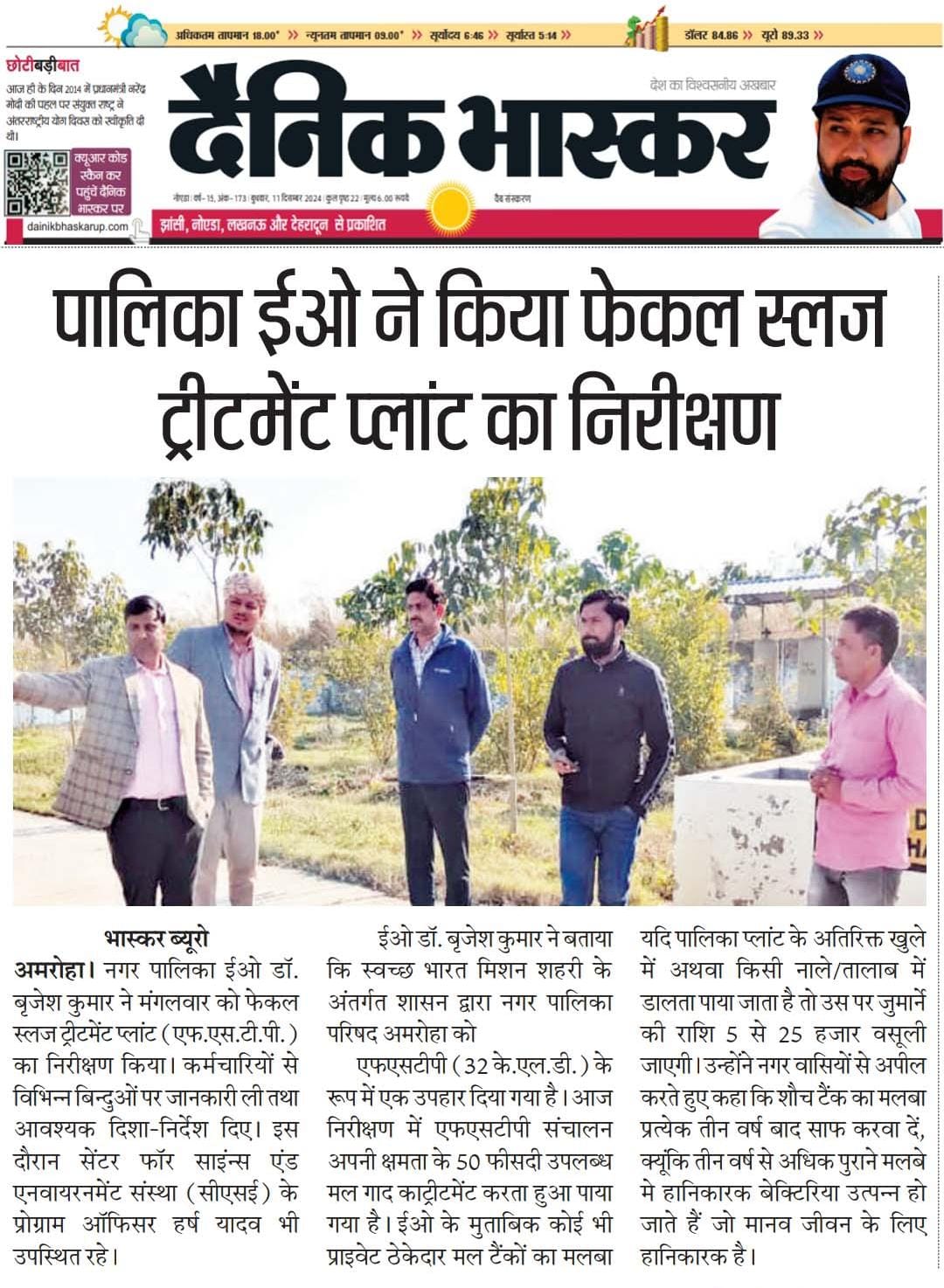
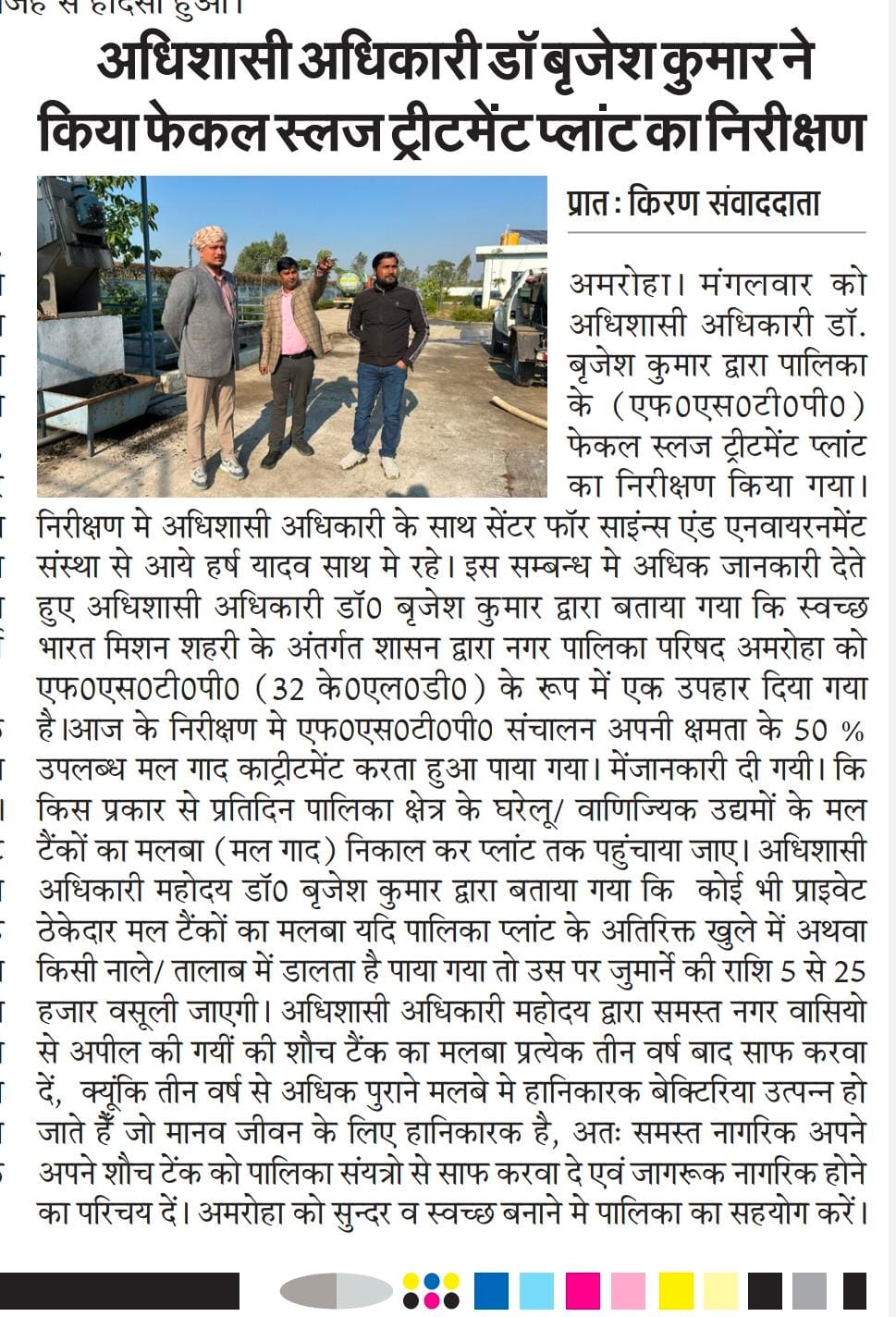
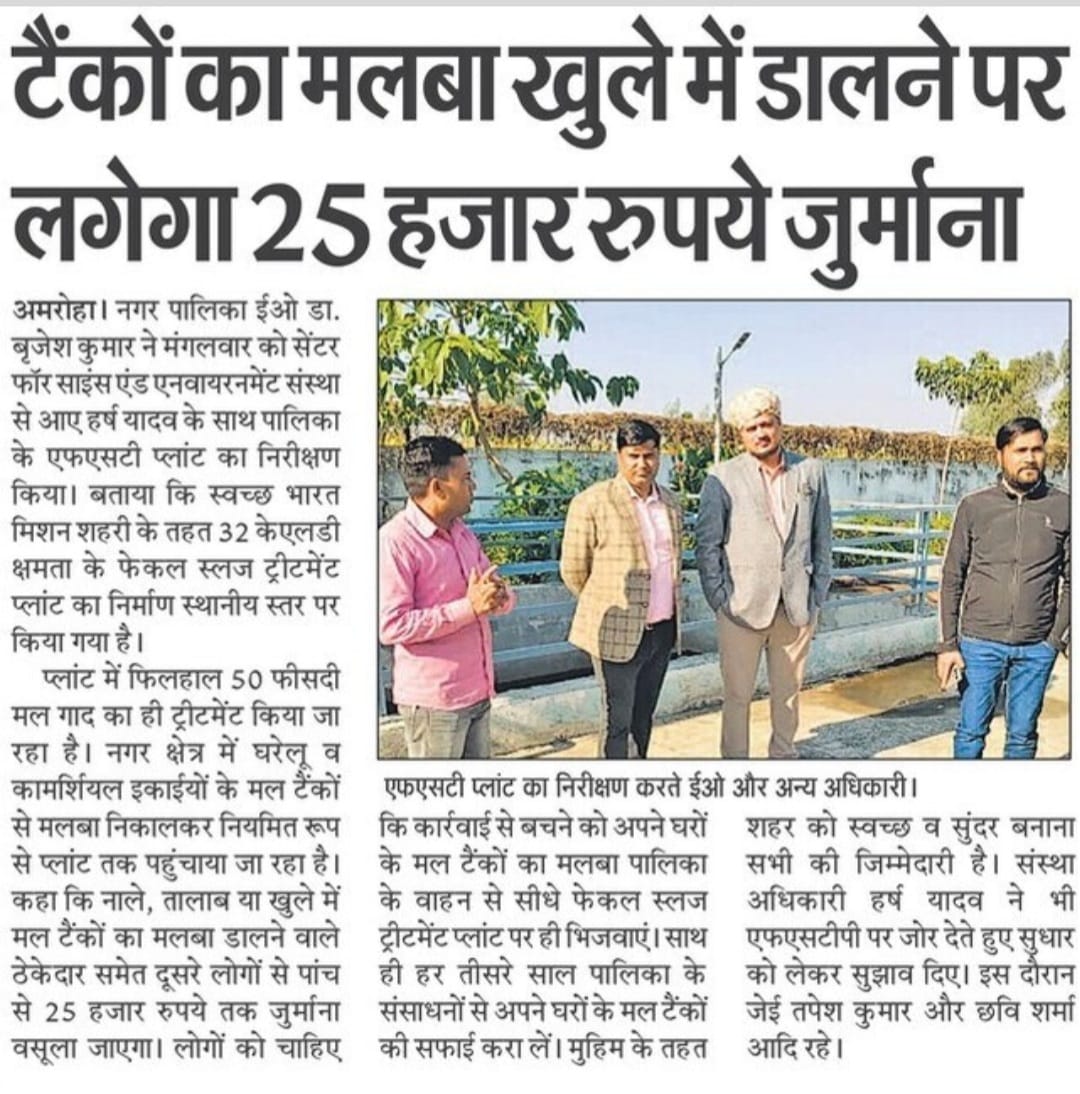
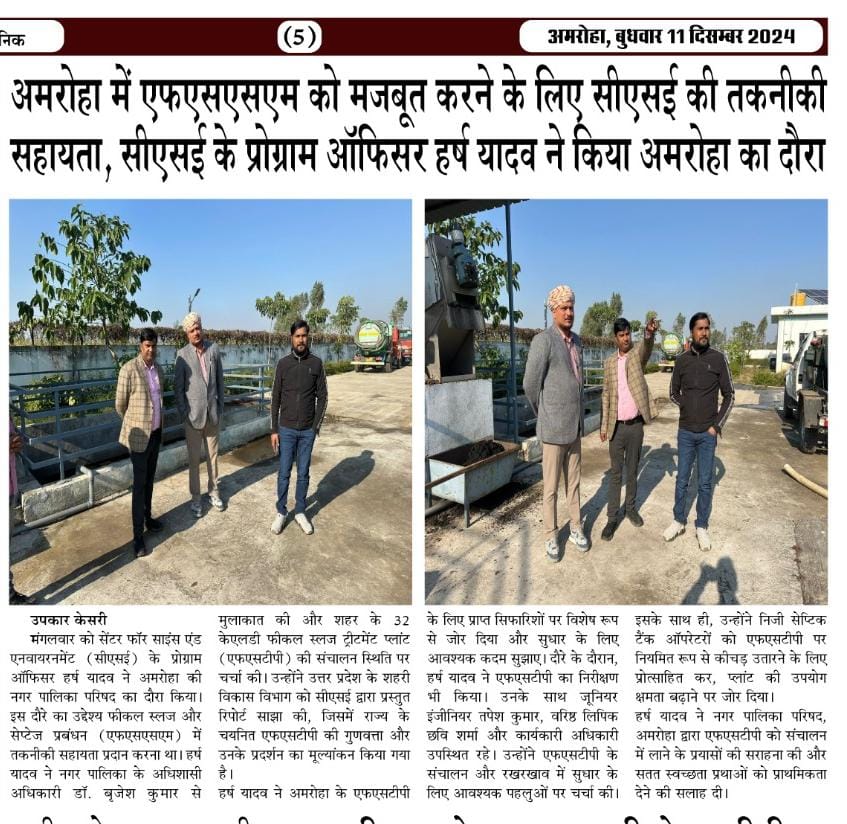
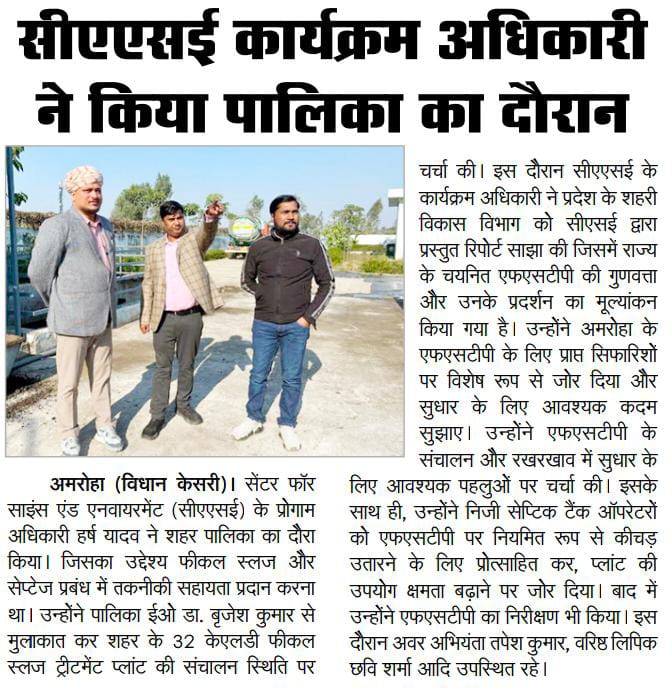
नगर पालिका ईओ डा. बृजेश कुमार ने मंगलवार को सेंटर फॉर साइंस एंड एनवायरनमेंट संस्था से आए हर्ष यादव के साथ पालिका के एफएसटी प्लांट का निरीक्षण किया