
Climate change makes conventional agriculture difficult, so exploring alternatives is imperative. Using local biodiversity as food is one option, but turning India’s rich agricultural biodiversity into fair, sustainable livelihoods for rural producers and smallholder farmers is a challenge.
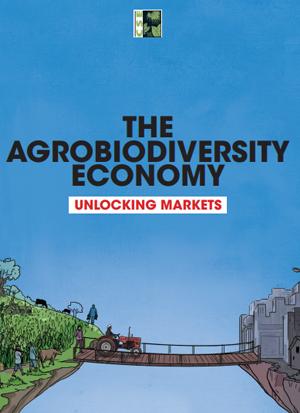
Drawing on ten real-world case studies of social enterprises commercializing underutilized ingredients—ranging from native rices and camel milk to wild mahua flowers and Himalayan produce—this report illustrates how localized processing, consumer education, direct-to-consumer storytelling and equitable profit-sharing bridge the gap between primary producers and urban markets.
The report demonstrates how market innovation can drive both biodiversity conservation and economic resilience.


Share this article