
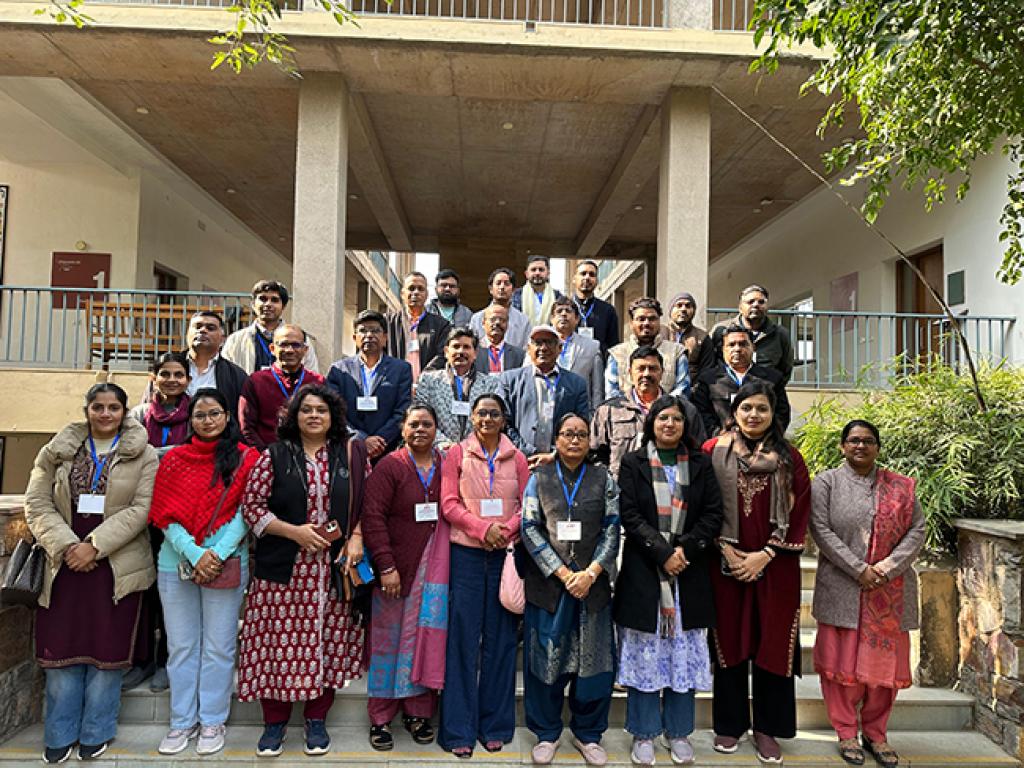
The use of antibiotics in food systems is well recognised as a driver of antimicrobial resistance (AMR), a silent pandemic that impacts health, food security, livelihood and attainment of sustainable development goals. In fisheries sector, antibiotic use for mass disease prevention is a commonly known practice, which however is not the ‘real’ prevention. It also includes misuse of some antibiotics which are critically important for humans. It is critical that such use is minimised by preventing and managing disease in farms.
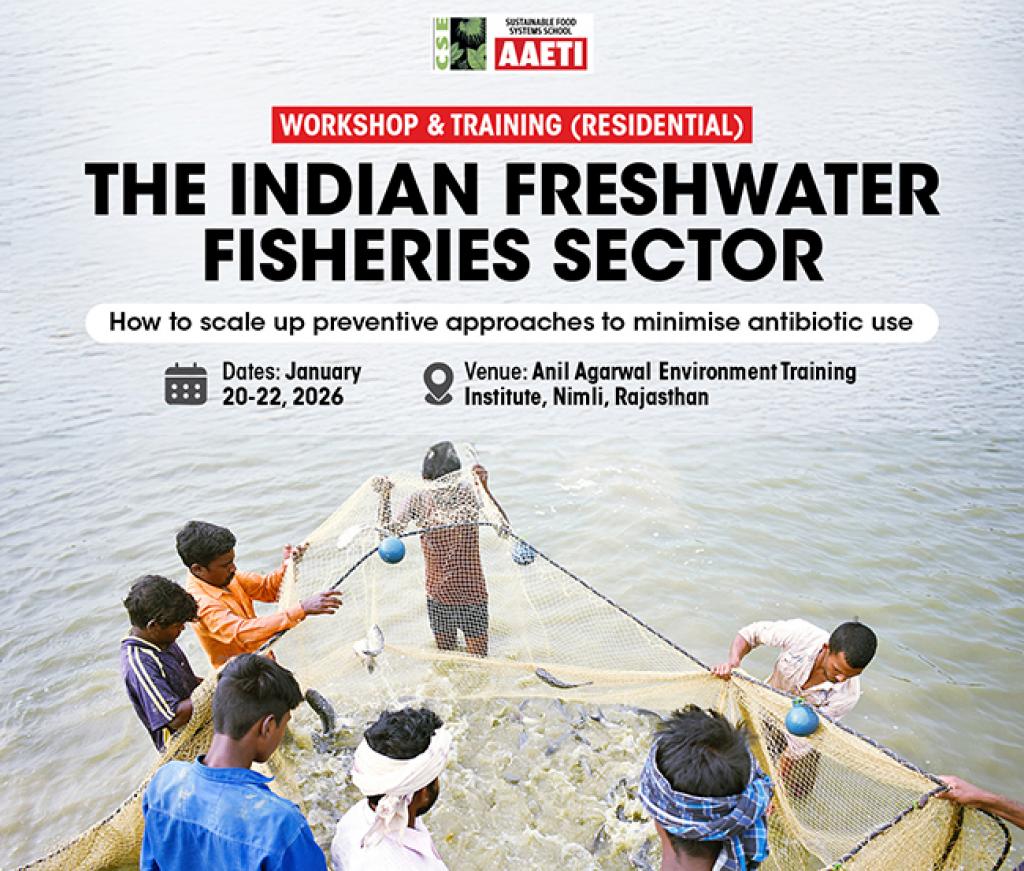
Centre for Science and Environment (CSE) is organising a three-day workshop and training programme for stakeholders to develop an understanding on how the need for antibiotics in freshwater fish farming can be minimised through preventive approaches such as better management, vaccination, biosecurity, use of technologies etc. The training cum workshop will involve lectures, group works and case study presentations. Resource persons will represent some of the premiere institutions or organizations from the country.
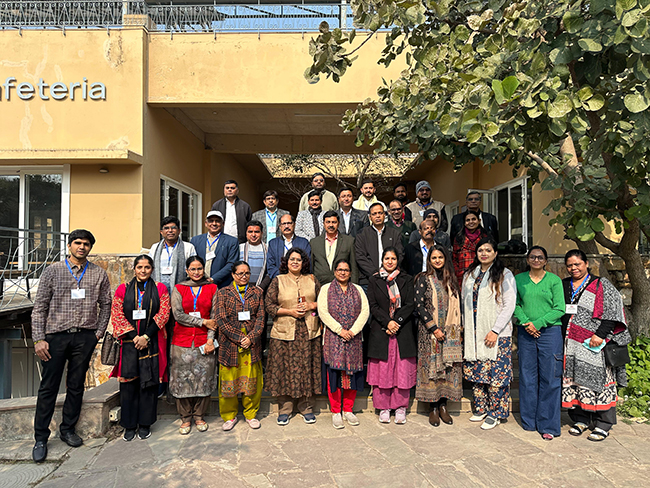
PARTICIPATION BY NOMINATION
Nominated representatives from fisheries departments of five to six states, and KVK officials from fish producing states in northern and eastern India are expected to join the training cum workshop. Selected experts from the scientific community, and sustainable fisheries producers will also participate. Participation is by invitation only.
This programme is partially supported by CSE. Participants will have to travel to Delhi at their own cost. CSE will take care of the remaining expenses and arrangements – including travel from Delhi to Nimli and back, boarding-lodging at AAETI, and all the training costs.
For More Information, Please Write to:
Neeraj Kumar
neeraj_k@cseindia.org
CSE’s Sustainable Food Systems programme
Share this article