
A Centre for Science and Environment (CSE) team visited over 50 lakes and ponds across three geographic terrains in eight states across the country. The team surveyed the lakes and ponds restored by both government and private organizations. Only a handful—16 waterbodies—were found to be sustaining their health post restoration, as these waterbodies had postrestoration O&M plans.
In our climate-stressed world, there is a need for an integrated management system to protect lakes and ponds in urban areas. These waterbodies are under constant threat of maddening urbanization. Unabated flow of wastewater is seen to enter the lakes and ponds from both sewered and non-sewered areas. Urban areas need to protect their water wealth as these contribute towards groundwater recharge and the prevention of waterlogging. Many big cities have failed to retain the health of their waterbodies; in many cases, it has been seen that huge amounts of money has been pumped in, but this has gone mostly towards unsustainable beautification of the lakesides.
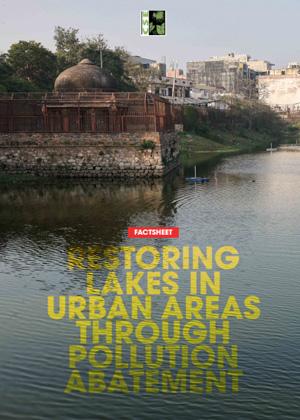
This factsheet brings together and analyses success stories of restored and sustaining lakes and ponds in urban areas. The stories narrate how polluted lakes in the cities have been restored by means of economic and nature-based solutions. The restoration processes were thus more than desilting and deweeding.


Share this article